
Published: May 17, 2026
By: Yanwei Hu, Technical Expert at Cymber Metal
Good morning everyone,
Yanwei Hu here from Cymber Metal.
A production line does not wait for a purchase order to catch up. When resistance spot welding electrodes wear out and replacement blanks are not on the shelf, the cost of that gap starts compounding immediately. Industry benchmarks put spot-welding line downtime in the range of $10,000 to $25,000 per hour, and high-volume automotive lines push well past that.
Common diameters from 0.125 to 7.5 inches and standard 12-foot mill lengths are widely produced across RWMA grades. The real question is whether your supplier is holding them physically on the floor today — or quoting you against a mill schedule three weeks out.
This guide covers the full picture: which RWMA class fits your base material, what “in stock” genuinely means across the copper alloy supply chain, what sizes and forms to expect, and how to place a fast, fully documented order. For buyers who need copper alloy spot stock this week rather than next month, the sourcing model matters as much as the alloy specification.
The Right RWMA Class for Your Base Material
The RWMA classification system exists to match electrode properties to the thermal and mechanical demands of the weld. Getting the class wrong does not just mean suboptimal welds — it means accelerated tip mushrooming, surface contamination buildup, and shortened electrode life that compounds into downtime and rework.
For an accessible overview of the grouping and typical uses of these materials, see the RWMA copper alloys guide.
Mild Steel: Why Class 2 Dominates High-Production Welding
RWMA Class 2, covering C18200 chromium copper and C18150 chromium-zirconium copper, is the default choice for mild and low-alloy steel welding for good reason. The alloy maintains its hardness at elevated temperature while keeping conductivity high enough to prevent tip burning. In high-cycle production, that combination directly translates into longer tip life between dressing intervals.
Both C18200 and C18150 are widely used in industrial applications where wear resistance and thermal management are equally critical. Confirm with your electrode supplier which variant best matches your specific cycle parameters.
Stainless Steel and High-Resistance Metals: The Case for Class 3
Stainless steel presents a different welding environment: higher contact resistance and greater weld heat demand an electrode that holds its shape under repeated thermal cycling without deforming. RWMA Class 3 covers beryllium copper alloys, primarily C17200 and C17510, which provide the higher hardness and strength that Class 2 cannot deliver.
Buyers sourcing beryllium copper bar stock should confirm that machining is performed under proper ventilation — beryllium dust is a documented occupational hazard per OSHA guidelines. That handling requirement does not change the procurement decision; it just means your machine shop needs to know what they are working with. For material specifics and common product forms, suppliers like beryllium copper product pages are useful references.
Aluminum and High-Conductivity Materials: Class 1 and Copper-Zirconium
Aluminum welding demands maximum conductivity and anti-sticking performance. RWMA Class 1, centered on C18150 copper-zirconium, delivers both. The tradeoff is lower hardness compared to Class 2 or 3, which means higher tip dressing frequency. That is the correct engineering tradeoff for aluminum: prioritize thermal management over hardness, and plan your tip maintenance schedule accordingly.
Trying to use a harder Class 2 electrode on aluminum to reduce dressing frequency usually results in sticking and weld quality problems that cost more time than the dressing would have.
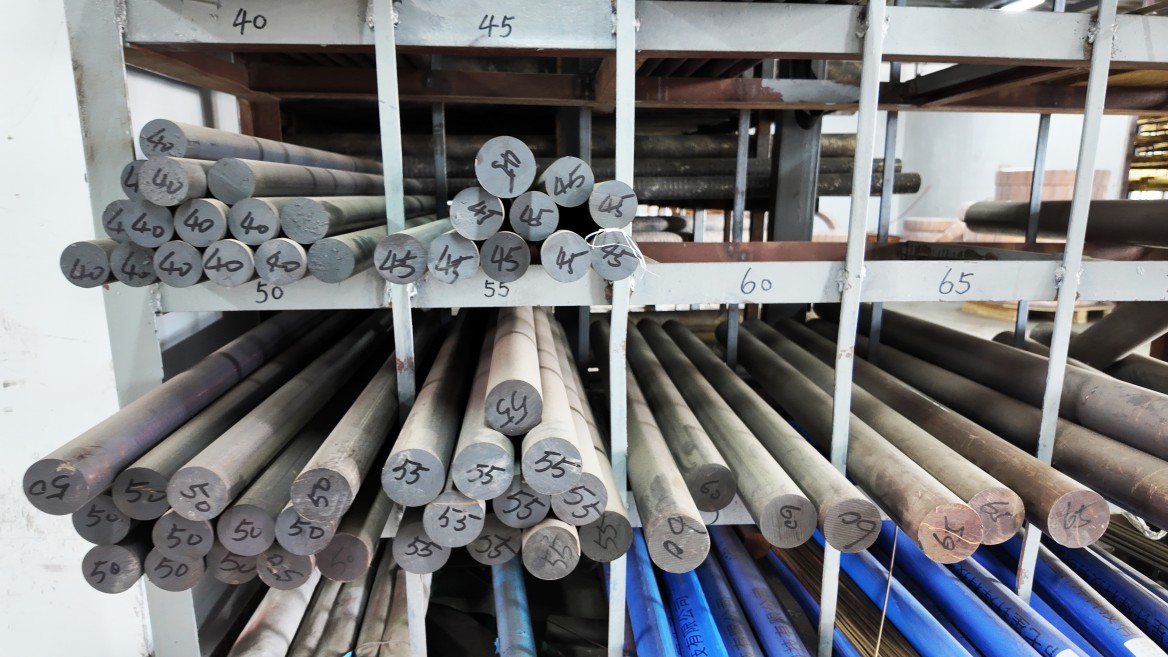
What “In Stock” Actually Means in the Copper Alloy Market
The phrase “in stock” does significant work in the copper alloy distribution world. Buyers who take it at face value sometimes discover the reality mid-crisis — for example, calling for Class 2 bar on a Friday afternoon only to learn the listing reflects a mill order that will not ship for weeks.
Alloy 110 vs. Specialty RWMA Grades: A Very Different Availability Picture
Alloy 110 is a commodity. It moves in large volumes, and most distributors carry it in multiple forms and sizes. RWMA Class 2 (C18150/C18200), Class 3 (C17200/C17510), and Class 1 (C15000) are specialty grades with smaller domestic order frequency.
When a buyer calls a general metals distributor for Class 2 chromium-zirconium copper bar and hears “we can have that in four to six weeks,” that is not the distributor failing to help — it is a mill order cycle, not a warehouse pull. Specialty RWMA grades can require several weeks through a general distributor when domestic stock is depleted — a production-stopping gap when your electrode inventory runs out.
For typical commodity availability, see examples of Alloy 110 (C11000) round bar and rod stock.
Why Specialty Alloys Fall Through the Domestic Supply Cracks
The domestic copper alloy distribution system is built around volume and turnover. Standard grades like C11000 and C14500 tellurium copper move fast enough to justify deep inventory. RWMA-specific grades like chromium-zirconium copper and beryllium copper represent lower order frequency, so distributors hold shallow stock and replenish by mill order.
When a production crisis hits and multiple buyers chase the same alloy simultaneously, shallow domestic inventory drains quickly. At that point, the sourcing model determines whether you recover in days or weeks.
Standard Sizes and Forms: What to Expect Before You Order
Knowing the alloy you need is half the conversation. The other half is whether that alloy exists in the form and size your electrode geometry requires.
Round Bar and Rod: Common Diameter Ranges and Stock Lengths
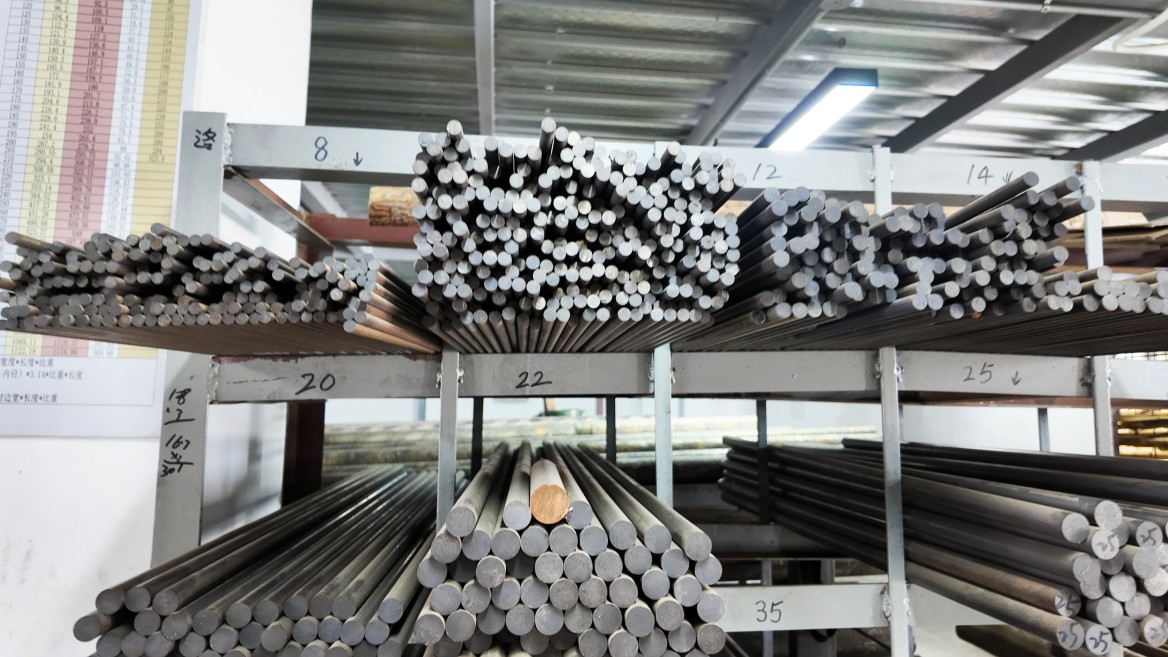
Round bar is the most common electrode blank form. Standard stock runs from 0.125 inch to 7.5 inch diameter, with 12-foot mill lengths being the typical stocking unit. Some suppliers carry 36-inch cut stock for lower-volume applications. Alloy 110 and C14500 are the easiest to find in round bar form at most distributors. For Class 2 and Class 3 round bar, you need a supplier with dedicated RWMA inventory; general copper distributors rarely stock these in depth.
Plate and Rectangular Bar: Thickness Ranges and Cut Options
Plate stock typically runs from 1/8 inch to 6 inches in thickness. Plate above 2 inches is often hot-forged rather than rolled, which introduces a different production cycle and can affect lead time when ordering from general distributors. Rectangular bar commonly comes in 12-foot random lengths, with cut-to-length tolerance typically at plus or minus 1/16 inch from specialized processors.
What to Confirm About Surface Condition and Tolerance Before Ordering
For welding electrode applications, surface condition and dimensional consistency across the bar length directly affect your downstream machining yield. A bar that drifts 0.030 inch in diameter across a 12-foot length will generate scrap at the electrode machining stage.
Before confirming an order, ask the supplier whether the stock is drawn, extruded, or forged, and what the dimensional tolerance band is across the full length. Drawn bar stock holds tighter dimensional consistency than extruded or cast bar, and that difference matters when you are machining electrode tips at volume.
Why Material Shortages Stop Production Lines Cold
The financial case for maintaining copper alloy electrode blank inventory is not complicated. What complicates it is the organizational tendency to treat specialty materials as on-demand commodities — until the first shortage makes the cost of that assumption impossible to ignore.
The Real Cost of Waiting on Mill Lead Times for RWMA Alloys
Spot welding line downtime runs between $10,000 and $25,000 per hour across most industrial manufacturing environments, with high-volume lines in automotive and electronics pushing those figures significantly higher. A four-week wait on RWMA Class 2 bar is not a supplier problem in isolation — it is a procurement design problem.
The Import Lead Time Myth vs. What Deep Spot Stock Actually Delivers
The assumption that overseas sourcing means longer lead times is only valid when the overseas supplier is processing a mill order on demand. When a supplier holds physical inventory in a warehouse, lead time becomes a logistics question, not a manufacturing question. In practice, domestic stocked inventory ships fastest — same day to a few days in many cases. However, air freight from an overseas supplier with genuine spot stock can still beat a domestic distributor that is fulfilling a mill order.
How a 3,200-Ton Warehouse Solves the Spot Stock Problem
Most of the availability problems described above share a common root: the supplier’s inventory is shallow relative to the breadth of alloys they list as available. The solution is not a better catalog — it is a different warehouse model. This is the infrastructure problem that Cymber Metal was built to solve.
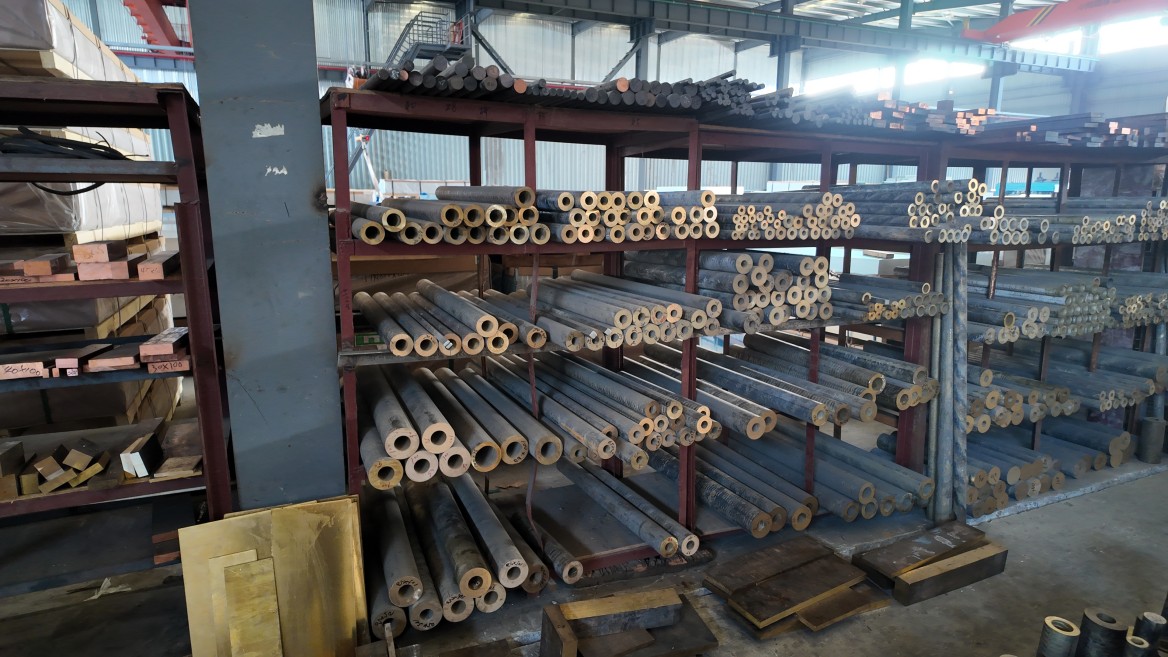
Cymber Metal operates a self-owned 3,200-ton spot warehouse in Jiangyin, Jiangsu Province, stocked across the full copper alloy range. That includes chromium-zirconium copper (RWMA Class 2, C18150), beryllium copper (RWMA Class 3/4, C17200), and copper-zirconium (Class 1, C15000), alongside red copper, brass, bronze, and aluminum alloys.
Large orders placed against physical inventory are fulfilled within the same week rather than after a mill run cycle. The distinction matters when your production schedule cannot absorb a multi-week wait. For specific grade information on C18200, see manufacturer details for C18200 (chromium copper, RWMA Class 2).
Certifications and Traceability U.S. Buyers Require
Cymber Metal provides mill test reports, certificates of compliance, ASTM/AMS/RWMA specification references, and heat and lot traceability numbers with every shipment. Material is SGS batch-tested and produced under an ISO 9001:2015 quality management system.
For U.S. buyers navigating incoming inspection, that documentation package addresses the most common material qualification requirements before the material even arrives. The key documents to verify on receipt are the MTR, the certificate of compliance, the ASTM or RWMA spec reference, and the heat or lot number that ties the paperwork to the physical shipment.
Cut-to-Length and Precision Machining Available from the Same Source
Beyond raw bar and plate stock, Cymber Metal offers in-house CNC precision machining, with tolerances reaching ±0.02 mm. Electrode blanks and custom profiles can ship as near-net or fully finished parts from the same facility that holds the raw stock. This removes one supplier from the chain and compresses total lead time.
How to Place a Fast Order: What to Prepare and What to Ask
Finding confirmed stock is only the first step. Moving from “I found inventory” to “I have a committed ship date with correct documentation” requires clean communication on both sides.
What Your Order Request Needs to Include
A complete order request for copper alloy electrode stock should specify:
- The UNS alloy designation (not just the trade name or RWMA class)
- Product form and temper condition
- Full dimensions with tolerances
- Required length (random mill length or cut-to-size)
- Quantity in pounds or pieces
- The certification package required
Referencing the UNS number directly eliminates ambiguity. “Class 2 bar” means different things to different distributors, while “C18150, round bar, half-hard temper, 2 inch diameter, cut to 36 inch lengths, with MTR and cert of compliance” leaves nothing open to interpretation.
What to Ask the Supplier Before You Commit
A short set of direct questions tells you whether a supplier’s listed stock is real:
- Is this quantity physically on the warehouse floor today?
- Can you provide the MTR and certificate of compliance with the shipment?
- What is the committed ship date from order confirmation?
A supplier with genuine spot stock answers all three in one clear response. A supplier quoting from a mill order schedule will answer the first confidently, hedge on the second, and give you a date range on the third. That hedge is the signal.
Final Thoughts
The core problem with copper alloy spot stock availability for welding applications is not the alloys themselves — it is how most of the supply chain is structured around them. Standard sizes are widely produced. Certifications for common specifications are readily available. The question is whether your supplier is holding those materials in depth or listing them against a mill schedule they cannot control.
Buyers who have been through one production-stopping shortage tend to rethink their procurement model afterward. The shift is not complicated: identify which specialty RWMA grades your process depends on, then confirm that your primary supplier holds genuine physical inventory in those grades, and verify that the documentation package they provide will clear your incoming inspection without rework.
Cymber Metal’s warehouse model was built for exactly this scenario: large orders, fast shipping, and verified documentation, without waiting on lead times that disappear entirely when the stock is already on the floor.
If you are sourcing RWMA Class 1, 2, or 3 copper alloy bar or plate and need confirmed availability this week, reach out with your UNS designation, form, dimensions, and quantity. Cymber Metal will confirm physical stock and committed ship dates in a single response.
Ready to get your line moving again? Send us your requirements — we’ll give you straight answers and a realistic timeline within hours.
Download 2026 In-Stock RWMA Copper Alloys Guide (PDF)
Contact Us for Fast RWMA Electrode Stock
Post time: May-17-2026