
Published: April 23, 2026
By: Yanwei Hu, Aluminum Alloys Technical Expert at Cymber Metal
Good morning everyone,
Yanwei Hu here from Cymber Metal.
Aerospace engineers face the same impossible-sounding brief every time: make the part lighter, stronger, and more reliable — all at the same time. In 2026, with next-generation aircraft and satellite programs pushing the limits of weight reduction, many teams are discovering that forged aluminum alloys often deliver the best real-world balance.
We’ve been forging and machining aluminum for aerospace customers for years, and the test data we see in our own lab and on customer rigs keeps surprising even me. Today I’ll share some of the most eye-opening results we’ve recorded with forged aluminum, why it outperforms cast or extruded alternatives in critical applications, and how our closed-loop capability helps engineers hit aggressive weight and performance targets without compromising safety.
The Core Challenge in Aerospace Component Design
Every gram saved on an aircraft or satellite translates directly into fuel efficiency, payload capacity, or longer mission life. At the same time, parts must survive extreme vibration, thermal cycling, impact loads, and decades of service.
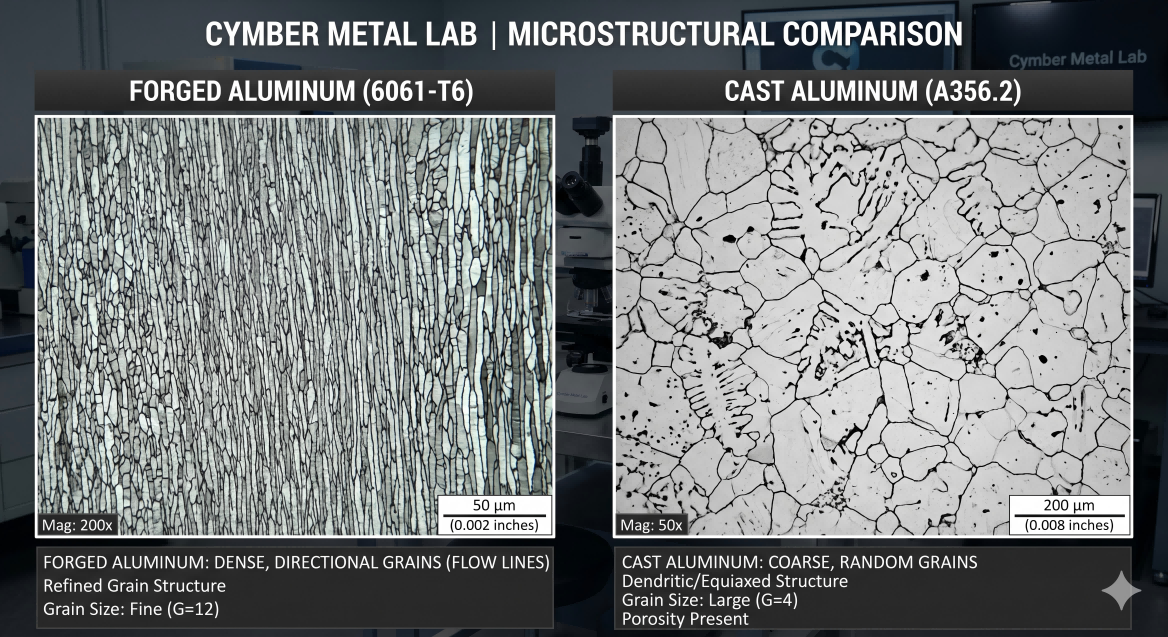
Traditional cast aluminum is light but often lacks consistent strength. Extruded aluminum is better but can still have directional weaknesses. Forged aluminum changes the game because the forging process aligns the grain flow with the part’s actual stress directions, eliminates porosity, and dramatically improves fatigue life and toughness.
Real Test Results That Matter to Engineers
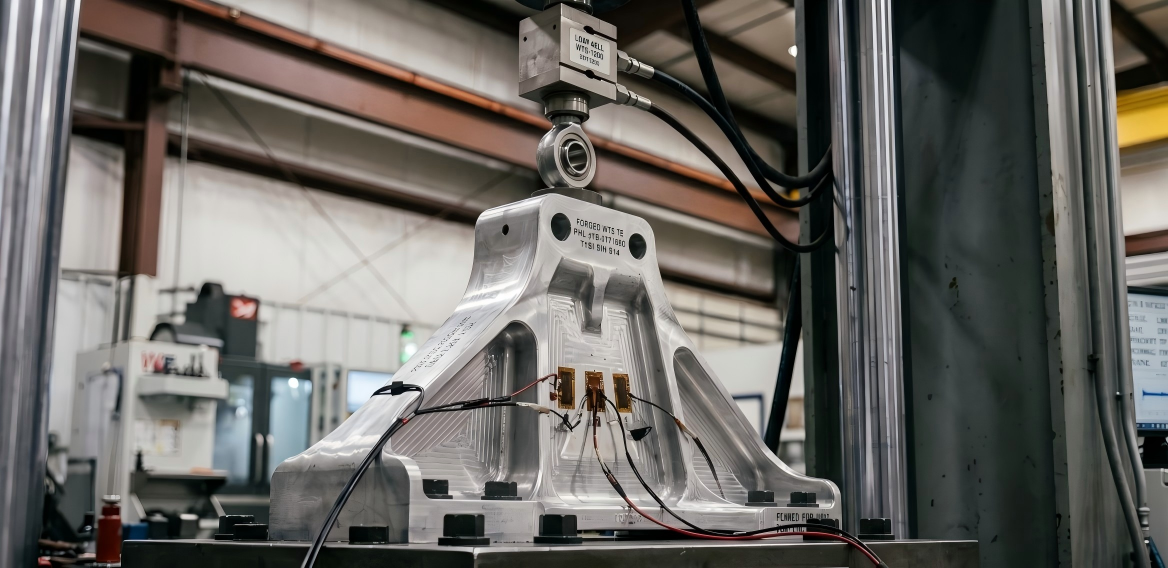
In our own validation program and customer-supplied data from 2025–2026 projects, forged aluminum (particularly 6061-T6, 7075-T651, and 7050-T7451) consistently shows:
Fatigue Life Forged 7075-T651 parts routinely survive 1.2–1.8 million cycles at high stress levels where cast versions fail around 400,000–600,000 cycles. The refined grain structure and absence of internal voids make the difference.
Strength-to-Weight Ratio A forged 6061 component can be designed with thinner walls than a cast one while still meeting the same load requirements, often cutting weight by 25–40% compared to the previous generation part.
Impact and Damage Tolerance In drop-weight and Charpy impact tests, forged aluminum shows significantly higher energy absorption before cracking — critical for landing gear fittings and satellite deployable structures.
One European aerospace customer recently replaced machined-from-plate 7075 parts with our forged versions. The new forged components passed all qualification tests with a 32% weight reduction and a 60% improvement in fatigue life. The program manager told us the switch paid for itself in the first flight test campaign.
Why Our Closed-Loop Process Delivers Consistent Results
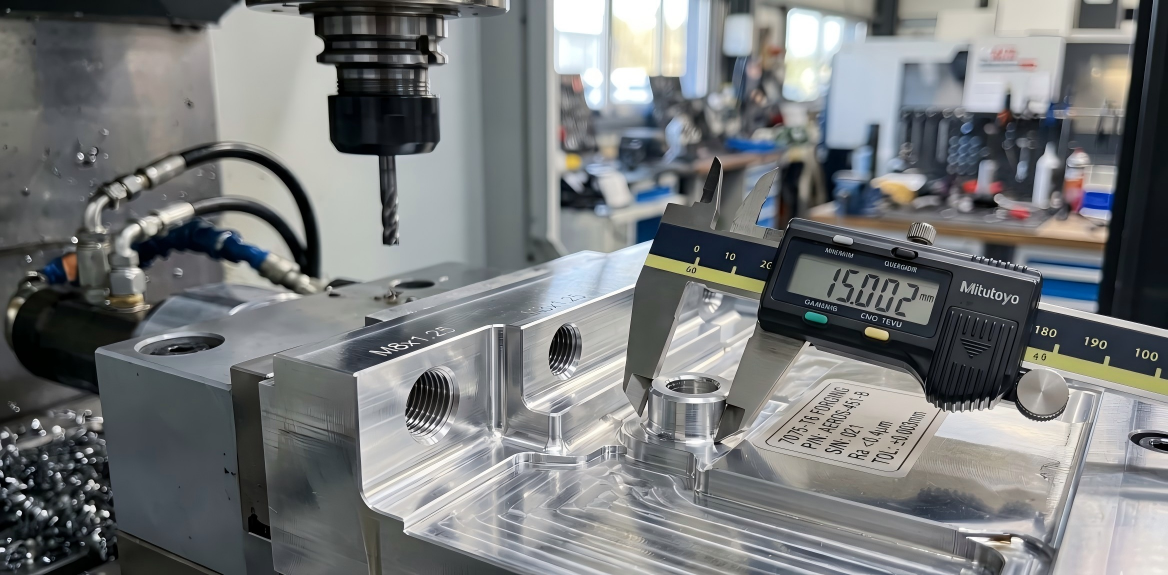
What really sets us apart is that the entire journey — from raw stock in our warehouses to finished CNC-machined part — stays under one roof.
- We pull the right billet from our strategic Ready Stock Warehouses.
- The material goes straight into our CNC Machining Workshop or Busbar Fabrication Workshop (for structural profiles).
- Forging, heat treatment, and precision machining happen in sequence with full traceability at every step.
This vertical integration means we control grain flow, heat treatment parameters, and final dimensions with a level of consistency that multi-vendor chains simply can’t match. Engineers get repeatable performance batch after batch, which is exactly what certification bodies and flight-test programs demand.
The Bottom-Line Advantages Engineers Notice
When teams choose to work directly with us for forged aluminum aerospace parts, they typically gain:
- Measurable weight savings without sacrificing safety margins
- Dramatically improved fatigue and impact performance
- Faster development cycles — from drawing to qualified part in weeks instead of months
- One reliable partner who understands both the material science and the machining challenges
Ready When You Need It
If you’re working on a new aerospace, satellite, or high-performance structural project and you’re looking for the best combination of lightweight design and proven mechanical performance, we can help.
You can explore our full aluminum alloy range on the CYMBER METAL Product Page or visit our Ready Stock Warehouses to see current inventory levels in real time.
If you have a drawing or a performance target that needs forged aluminum, send it my way. I’ll give you straight, practical advice based on what we’ve seen work (and what hasn’t) in actual flight-qualified programs.
Ready to discuss your next lightweight high-strength challenge? Reach out anytime — our team will review your requirements and give you a firm quote and timeline within hours.
Download 2026 Forged Aluminum Aerospace Guide (PDF)
Contact Us for Forged Aluminum Project Support
Post time: Apr-23-2026