
Published: April 26, 2026
By: Yanwei Hu, Aluminum Alloys Technical Expert at Cymber Metal
Good morning everyone,
Yanwei Hu here from Cymber Metal.
I keep hearing the same prediction from some consultants and tech articles: “Fiber optics will replace copper in everything — just wait.”
It sounds convincing on a slide deck. But after years of machining pure copper busbars, connectors, and high-current components for data centers, EV charging stations, renewable energy inverters, and heavy industrial plants, I can tell you the reality is much more nuanced. In 2026, fiber optics are winning the long-distance data race, but copper demand — especially high-purity copper — is not only surviving, it’s growing stronger in the exact places that matter most for power and reliability.
Today I’ll break down the myth, show you the real numbers, and explain why many forward-thinking engineers are still choosing pure copper — and why working directly with us gives them an edge that fragmented suppliers simply can’t match.
The Myth vs. The Industrial Reality
Fiber optics are fantastic for moving massive amounts of data over long distances with almost zero signal loss. That part is true. But when we talk about industrial metal demand, we’re usually talking about power transmission, high-current distribution, electromagnetic compatibility, and cost-effective short-to-medium runs — not just data.
In these areas, pure copper still dominates for very practical reasons:
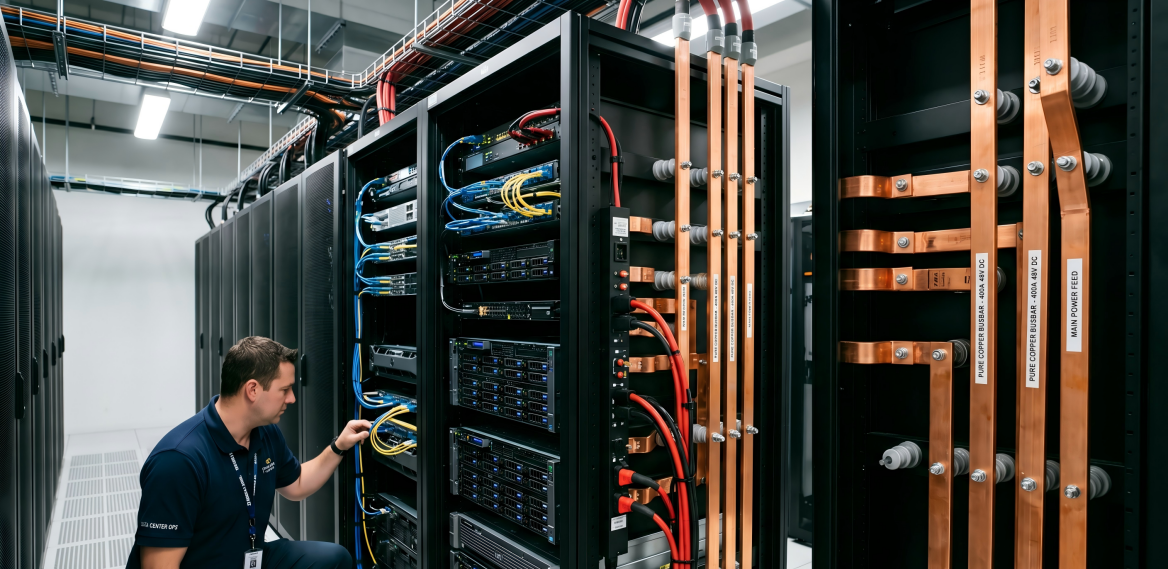
- Power transmission — Fiber optics don’t carry electricity. High-current busbars, EV fast chargers, and data center power distribution still need copper’s unmatched conductivity (up to 101% IACS for C10100).
- Electromagnetic interference — Copper naturally shields against EMI. Fiber optics require extra shielding and grounding in industrial environments.
- Cost and installation — For runs under a few hundred meters, copper is still dramatically cheaper and easier to terminate than fiber.
- Repair and maintenance — Copper connections are simpler to inspect and repair in the field.
-
2026 Copper Demand Data That Tells the Real Story
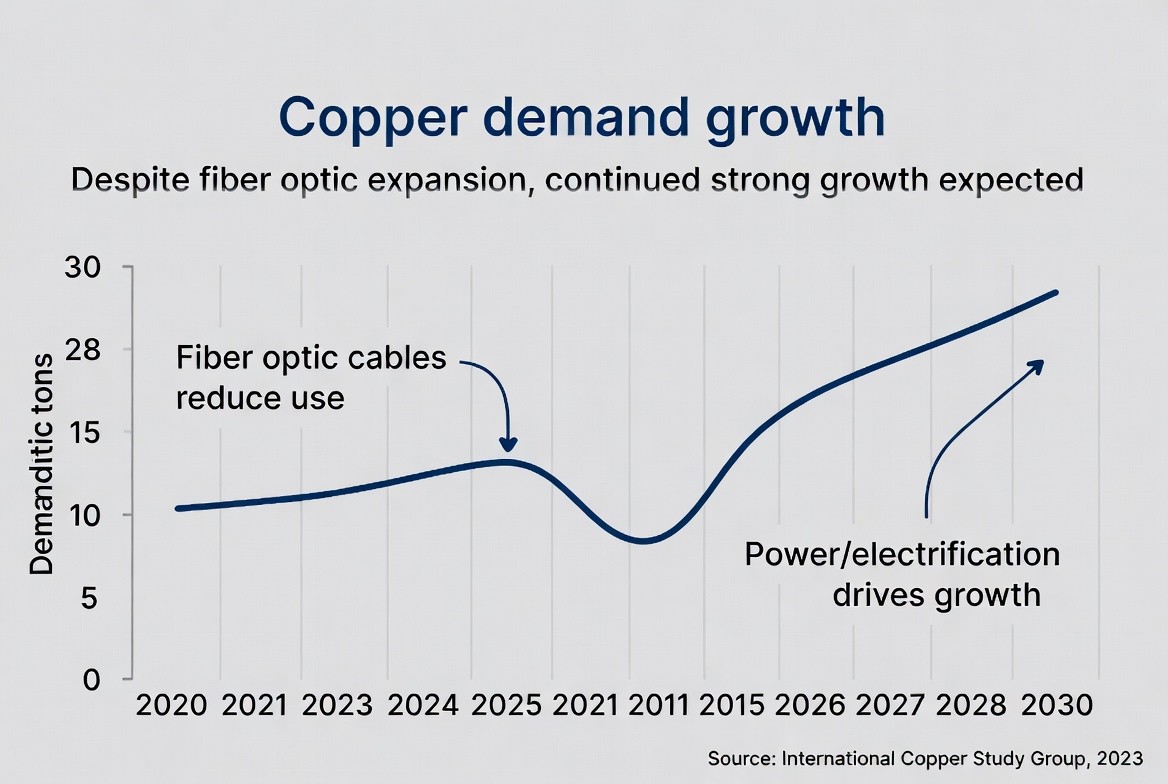
Global copper demand is projected to grow 3–4% annually through 2030, driven largely by electrification. EV charging infrastructure alone is expected to consume over 1.2 million tons of copper per year by 2028. Data center power distribution is another major growth area — every new AI training cluster needs hundreds of tons of high-purity copper busbars.
Fiber optics are growing fast too, but they’re mostly replacing older copper data cables, not power cables. The two materials are complementary, not direct competitors.
-
Where Pure Copper Remains Irreplaceable
In our own production, we see the same pattern repeat across industries:
- Data center power distribution — Pure copper busbars (C11000 or C10100) are still the standard for high-current, low-resistance connections.
- EV fast-charging stations — High-purity copper handles the massive currents without overheating.
- Renewable energy inverters and substations — Copper busbars and connectors provide the reliability that fiber simply cannot.
- Heavy industrial motors and transformers — Copper windings and busbars deliver the efficiency and durability required.
-
Our Closed-Loop Advantage: Why Engineers Choose Us When Speed and Reliability Matter
When a project is on a tight timeline or the design calls for custom pure copper components, the traditional supply chain creates unnecessary delays. You wait for material from a mill, then send it to a separate machine shop, then hope the tolerances match.
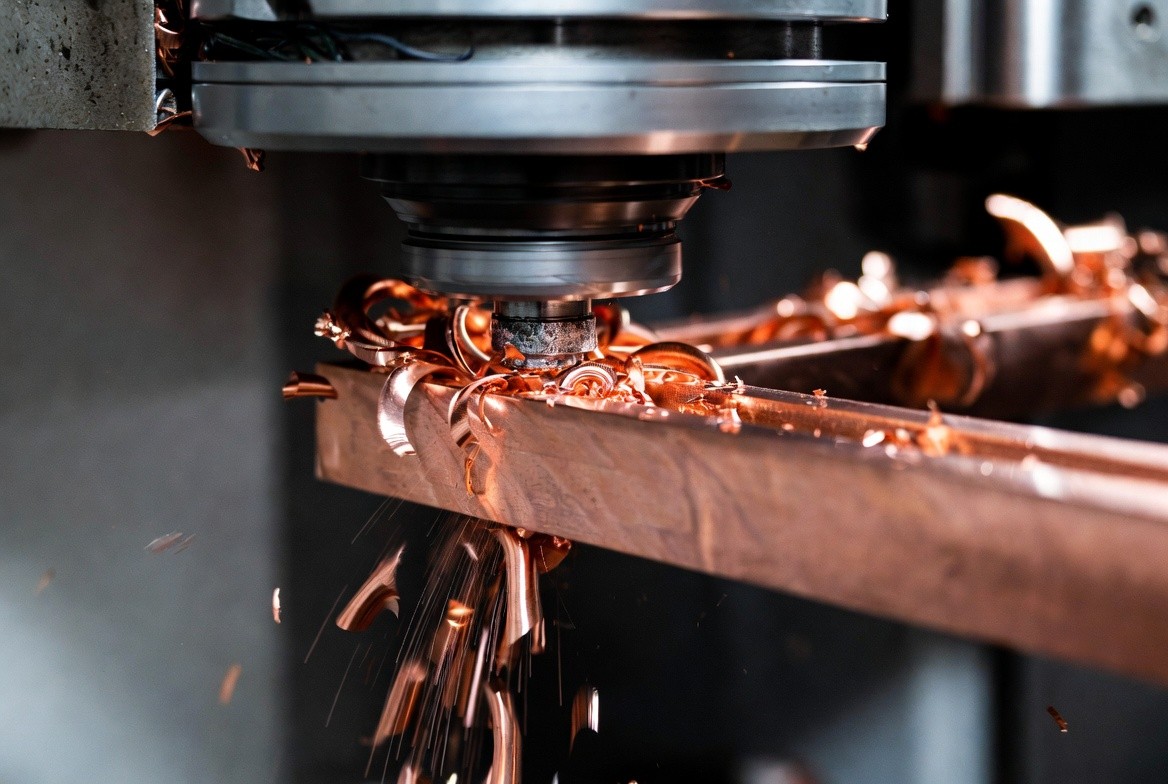
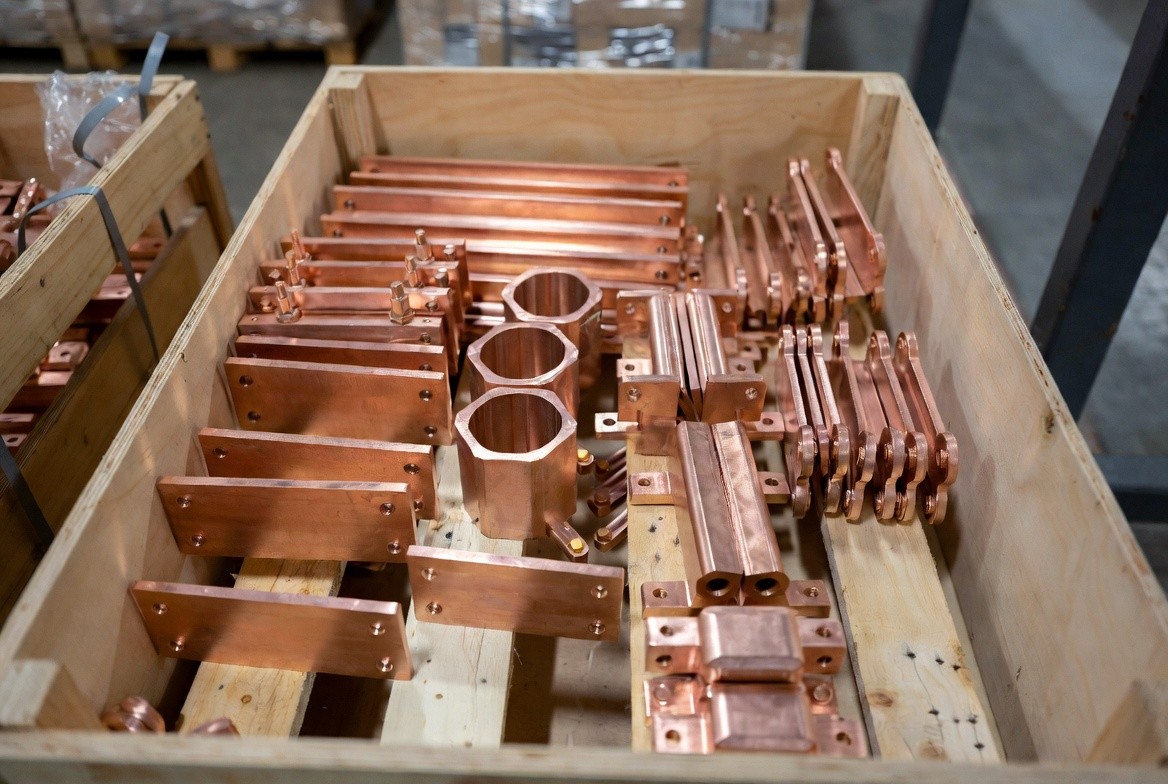
At Cymber Metal we eliminate those hand-offs. Our large Ready Stock Warehouses hold thousands of tons of pure copper in the exact forms engineers need. That stock feeds directly into our CNC Machining Workshop and Busbar Fabrication Workshop, where experienced teams turn drawings into finished, tested parts under one quality system.
This vertical integration gives our customers three real advantages:
- Speed — From approved drawing to finished, tested component in days or weeks, not months.
- Consistency — Full traceability and in-house control over grain structure, temper, and surface quality.
- Lower total cost — Less material waste, fewer shipping legs, and no risk of mismatched specifications.
-
Final Thoughts
Fiber optics are transforming data transmission, but they are not replacing copper in the industrial world — and they won’t in 2026 or the foreseeable future. Pure copper remains the backbone of power distribution, high-current applications, and reliable industrial systems.
When you need custom pure copper parts quickly and to exact specifications, working directly with a partner who controls the entire process from stock to finished component gives you a real competitive edge.
You can explore our full pure copper range on the Pure Copper Product Page or visit our Ready Stock Warehouses to see current inventory levels in real time.
If you have a project that needs high-purity copper busbars, connectors, or custom machined components, send me the drawing. I’ll give you straight, practical advice and a firm timeline within hours.
Ready to secure your material and machining in one reliable place? Reach out anytime.
Post time: Apr-26-2026