
Published: March 4, 2026
By: Yanwei Hu, Aluminum Alloys Technical Expert at Cymber Metal
Good morning everyone,
Yanwei Hu here from Cymber Metal.
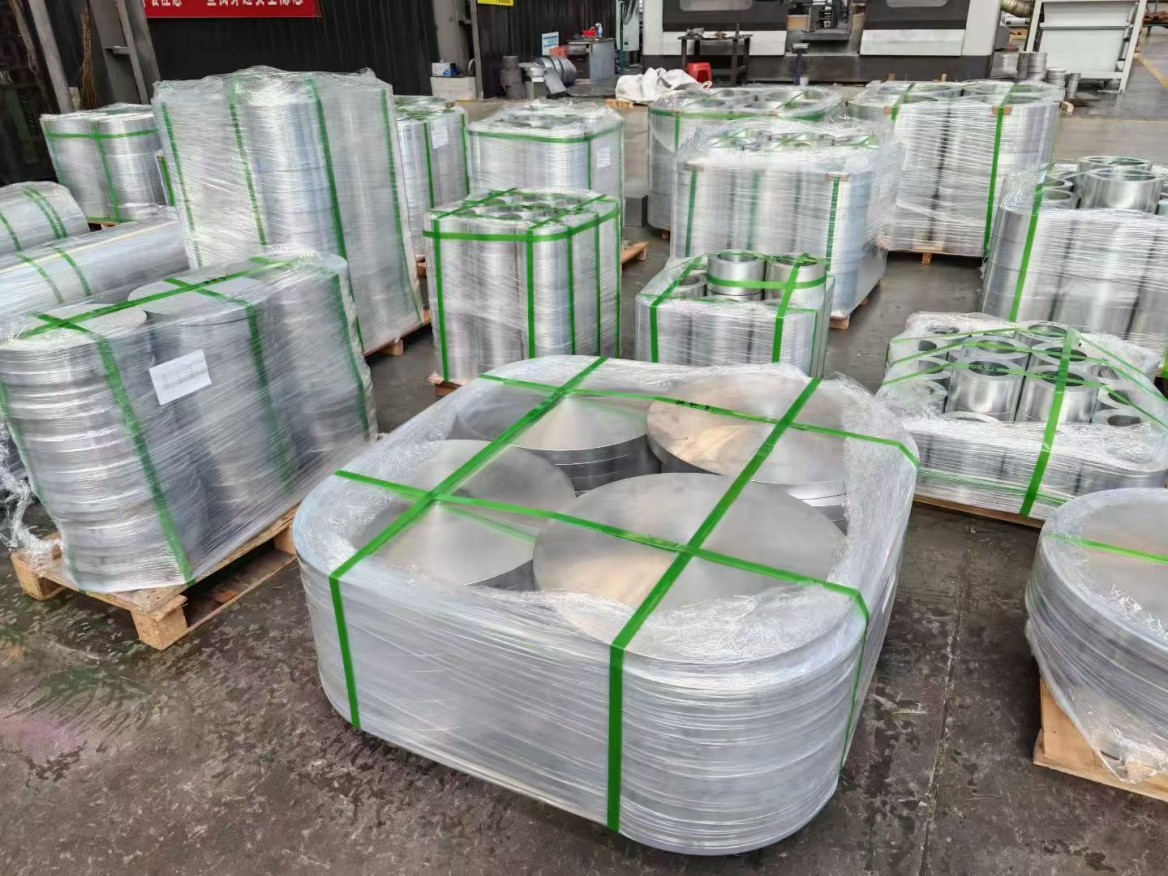
When a customer needs parts that must handle extreme loads, repeated impact, or critical safety requirements, I always steer them toward forged aluminum. The forging process refines the grain structure, eliminates porosity, and dramatically improves strength, fatigue resistance, and toughness compared to cast or even extruded aluminum.
In 2026, forged aluminum is seeing strong growth in aerospace, automotive chassis components, high-performance machinery, and defense applications. At Cymber Metal, we run our own forging lines and machine hundreds of tons of forged aluminum every month.
This article is written straight from the forge and machine shop — the grades we use most, where forged aluminum really shines, the practical advantages and limitations, and the shop-floor tricks I’ve learned over the years.
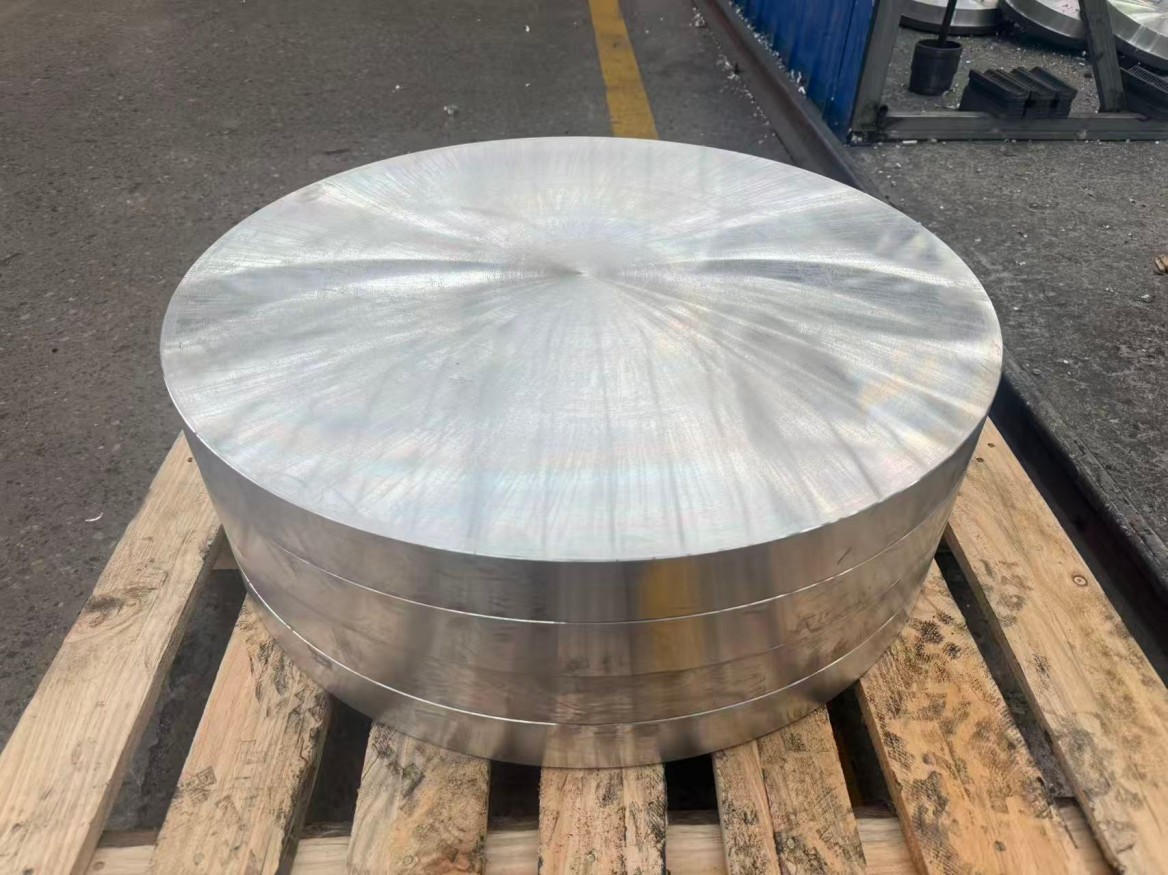
Common Forged Aluminum Alloys and Their Characteristics
We primarily forge the following series for industrial and high-performance use:
| Alloy Series | Typical Grades | Key Forged Properties | Best Applications | Relative Cost |
|---|---|---|---|---|
| 2xxx | 2014, 2024 | Excellent fatigue & high-temperature strength | Aerospace structural parts | High |
| 6xxx | 6061, 6082 | Good strength, excellent machinability | Automotive suspension, machine components | Medium |
| 7xxx | 7075, 7050 | Highest strength after forging + heat treat | Tooling, defense, high-load fittings | High |
Quick Shop Insight:6061 is our everyday workhorse for forged parts — reliable strength and easy to machine afterward. When customers need the absolute maximum strength, we go straight to 7075.
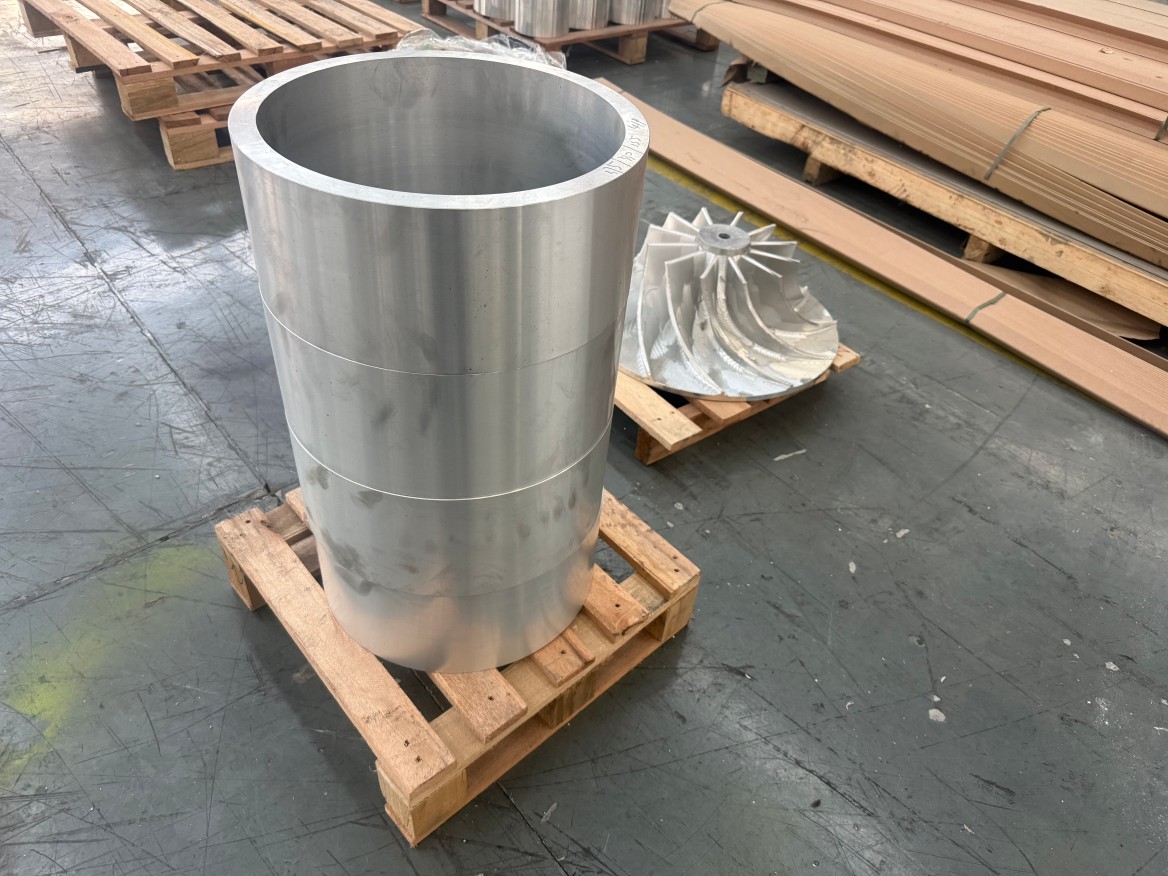
Where Forged Aluminum Delivers Real Value in 2026
From our daily production runs, these are the applications where forging makes the biggest difference:
- Aerospace & Defense – Landing gear components, wing fittings, structural brackets
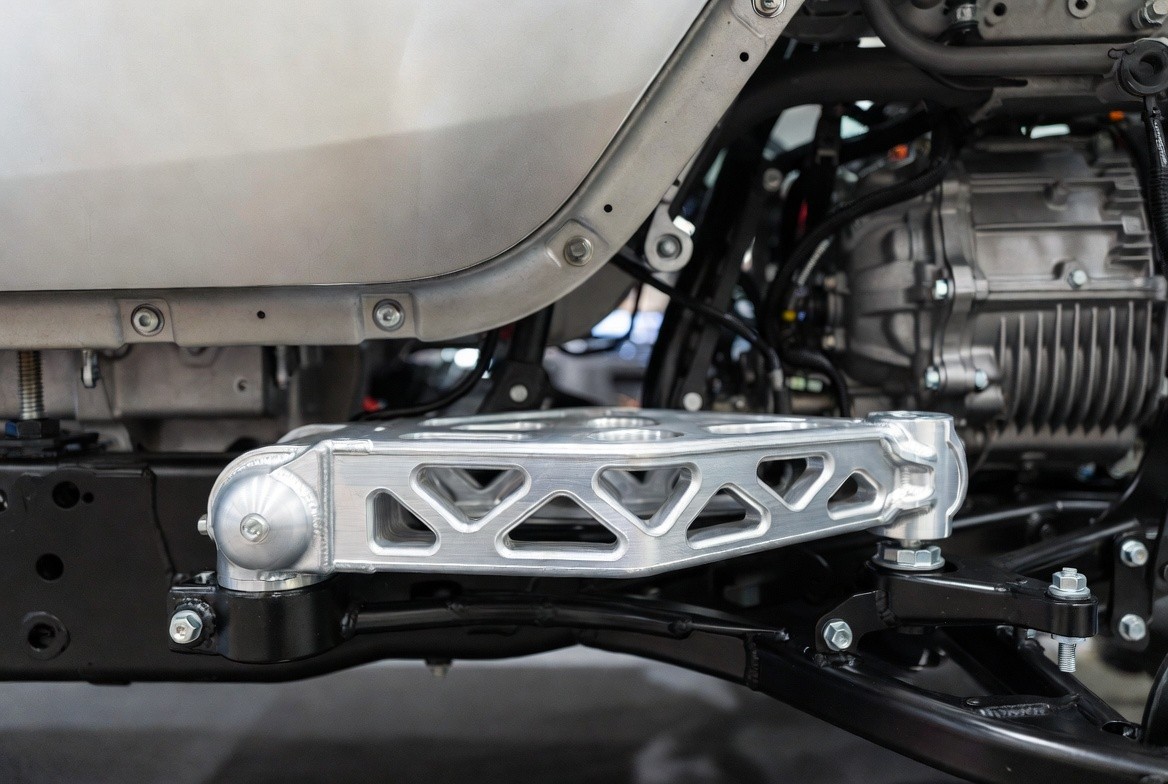
- Automotive & EV – Suspension arms, chassis nodes, battery enclosure mounts
- Heavy Machinery & Tooling – High-load fixtures, press dies, robotic arms
- Marine & Offshore – Propeller hubs, winch components, high-stress fittings
- Sports & Performance Equipment – Bicycle cranks, motorcycle triple clamps, climbing hardware
-
Advantages of Forged Aluminum vs Cast or Extruded
- Dramatically improved fatigue life and impact resistance
- No internal porosity or shrinkage defects
- Refined, directional grain flow that follows the part shape
- Higher mechanical properties in all directions
- Better pressure tightness for fluid-carrying parts
Real Shop Experience: Last month we forged 6061 suspension arms for an EV customer. The original cast version failed fatigue testing at 80,000 cycles. After switching to our forged version, the parts easily passed 250,000 cycles with no cracks. The customer told us the weight stayed almost the same but reliability increased dramatically.
Challenges We Manage Every Day
Forged aluminum is not without its considerations:
- Higher material and processing cost than cast
- More limited design freedom than casting
- Requires careful heat treatment after forging
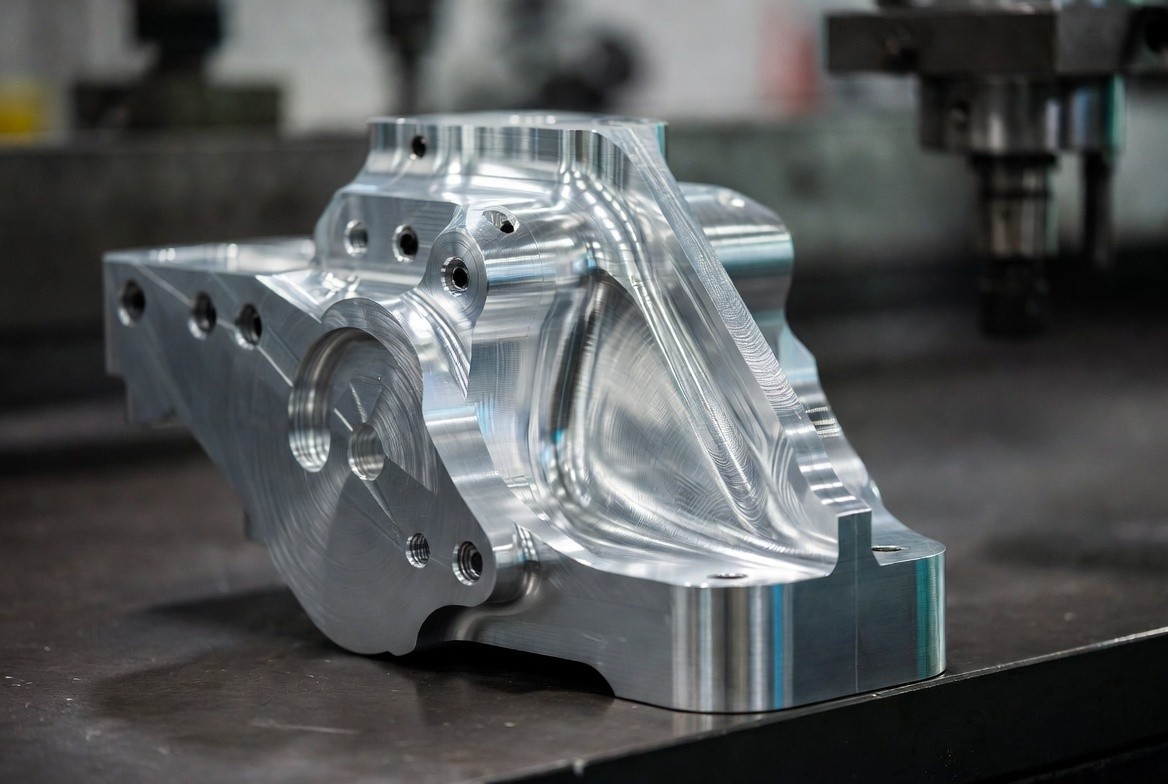
Pro Tip from the Forge: Always design with generous fillet radii and avoid sharp internal corners — this reduces stress concentrations and makes the forging process much more reliable.
-
Common Forged Aluminum Products We Deliver
- Aluminum Plates
- Aluminum Square Bars
- Aluminum Rods
- Aluminum Tubes
- Custom Forged & CNC Machined Finished Parts
Here at Cymber Metal, our forging and machining capabilities cover a wide range of aluminum products including square bars, rods, tubes, plates, and fully finished custom parts. You can also explore our CYMBER Professional Aluminum Profile Warehouse for complementary extruded solutions when the project needs both forged strength and extruded profiles.
Final Thoughts
Forged aluminum gives you strength and reliability that cast or extruded material simply cannot match — especially when safety, fatigue life, or high mechanical loads are on the line.
If you’re working on a project that demands the very best mechanical performance from aluminum, I’d be glad to review your drawing and recommend the right forging process and alloy.
Ready to discuss your forged aluminum needs? Download our latest forging catalog or reach out to the team.
Post time: Mar-04-2026