
Published: February 20, 2026
By: Zhen Liu, Pure Copper Technical Expert at Cymber Metal
Hello everyone, Zhen Liu here — the pure copper specialist at Cymber Metal.
After more than a decade working with copper in electrical systems, I can honestly say that pure copper busbars are one of the most critical and reliable components we produce. They quietly carry thousands of amps every day in substations, EV battery packs, data centers, and industrial switchgear.
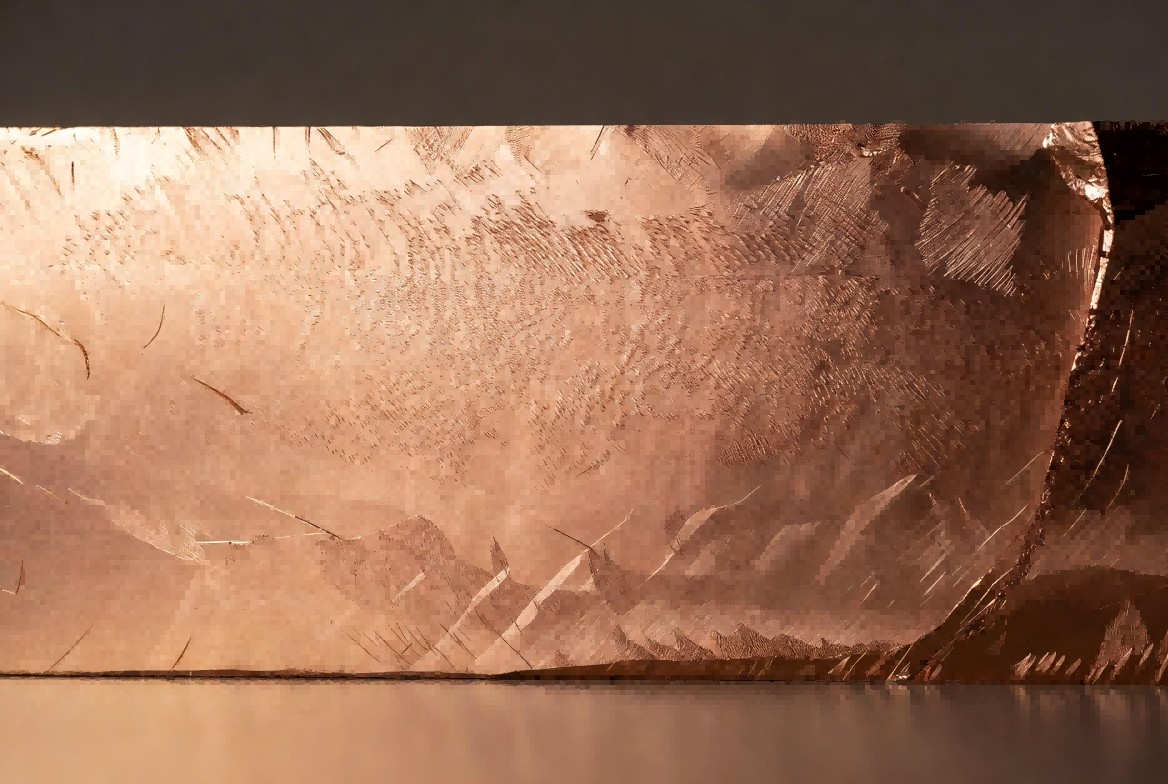
What makes them special is the combination of near-perfect conductivity and the ability to be shaped and protected exactly the way the project needs. But pure copper oxidizes over time, which increases contact resistance and heat — that’s why surface plating (tin, silver, or nickel) is almost always part of the solution.
In this complete guide, I’ll share everything I’ve learned from real production runs at Cymber Metal: which grades to choose, where pure copper busbars are used in 2026, detailed plating comparisons, machining tips, and practical advice from the shop floor.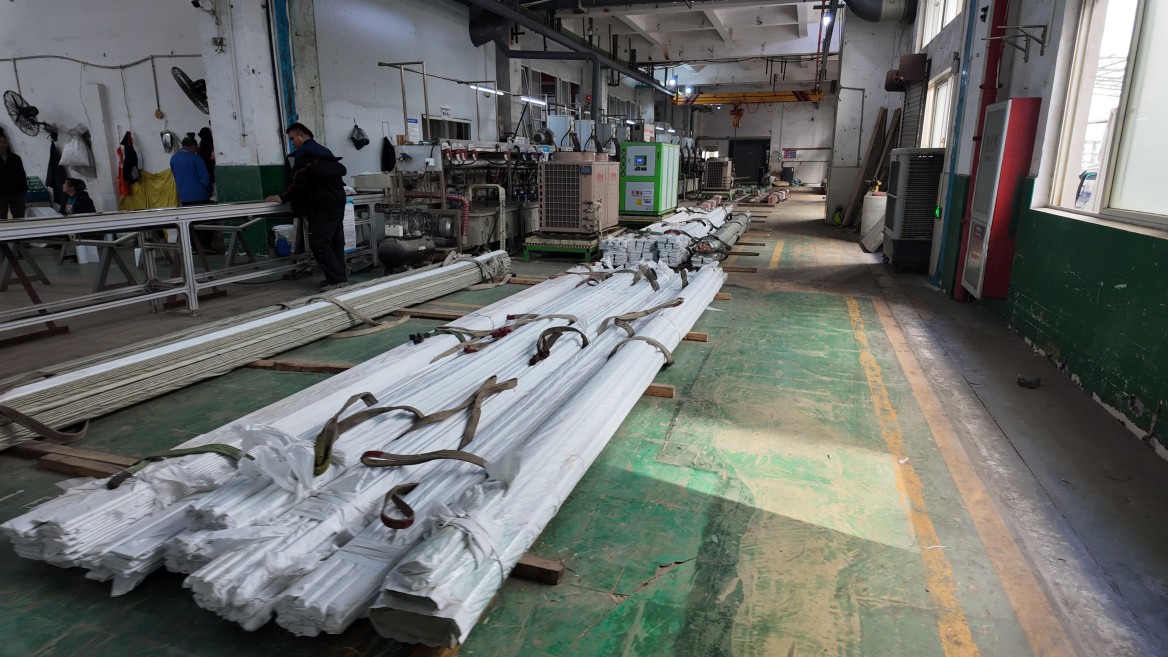
Understanding Pure Copper Busbar Grades
Here’s the practical comparison we use every day when customers ask for recommendations:
| Grade | Purity | Oxygen Content | Conductivity (% IACS) | Best Applications | Typical Plating Choice | Relative Cost |
|---|---|---|---|---|---|---|
| C10100 (OFHC) | 99.99% | <5 ppm | 101 | Data centers, EV high-voltage packs, vacuum systems | Silver or Nickel | High |
| C10200 (OF) | 99.95% | Oxygen-free | 101 | Welding electrodes, high-frequency busbars | Silver | Medium-High |
| C11000 (ETP) | 99.90% | 200–400 ppm | 100–101 | General substations, industrial panels, motors | Tin (most common) | Medium |
Quick Recommendation from the Shop: For most standard industrial and substation projects, we recommend C11000 ETP with tin plating — excellent balance of performance and cost. For high-end EV or data center applications where every milliohm matters, we go with C10100 OFHC and silver plating.
Where Pure Copper Busbars Are Used in 2026
From my daily work, these are the main areas where pure copper busbars deliver the biggest value:
- Power Substations & Grid Distribution Main busbars connecting transformers, circuit breakers, and feeders. Low resistance means less energy loss and lower operating temperatures.
- Electric Vehicle Battery Packs & Charging Systems Cell-to-module and module-to-inverter connections in 400V–800V packs. They must handle high current spikes during fast charging without overheating.
- Data Centers & AI Server Farms Power distribution bars inside racks and PDUs. Every watt saved in resistance translates to lower cooling costs.
- Renewable Energy Inverters & Energy Storage Connecting solar/wind inverters to battery banks — needs to handle fluctuating loads reliably.
- Industrial Motors, Transformers & Switchgear High-current links in heavy machinery that run 24/7.
Detailed Surface Treatments: Tin, Silver, and Nickel Plating
Pure copper oxidizes naturally, so plating is almost always required. Here’s the real-world breakdown we give customers:
Tin Plating Thickness usually 5–15 µm. Advantages: Excellent corrosion protection in normal environments, very good solderability, lowest cost. Best for: Indoor substations, general industrial panels, cost-sensitive projects. Limitation: Softer coating, not ideal for frequent plugging/unplugging.
Silver Plating Thickness typically 2–10 µm (often with nickel underlayer). Advantages: Lowest contact resistance, best conductivity at joints, excellent for high-frequency or high-current bolted connections. Best for: EV charging systems, data centers, premium switchgear where every milliohm counts. Limitation: Higher cost; can tarnish in sulfur-rich environments (we apply anti-tarnish treatment).
Nickel Plating Thickness 10–25 µm. Advantages: Very hard and wear-resistant, excellent protection in abrasive or high-temperature environments. Best for: Industrial motors, outdoor equipment, applications with frequent mechanical stress. Limitation: Slightly higher electrical resistance than tin or silver.
Our Most Common Recommendation: Nickel underlayer + silver top layer for critical high-current joints — combines durability and lowest resistance.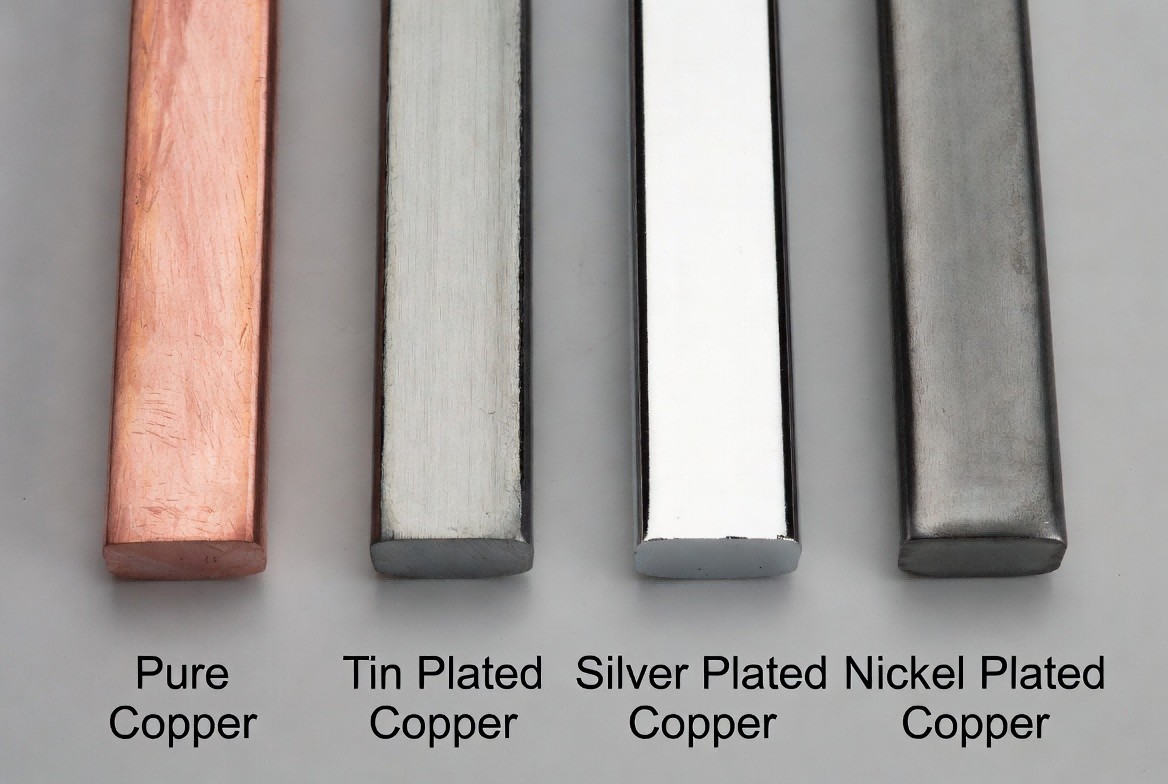
Machining and Fabrication Challenges & Solutions
Pure copper is soft, so we face these common issues:
- Gummy chips sticking to tools
- Thermal distortion on long bars
- Burrs affecting plating adhesion
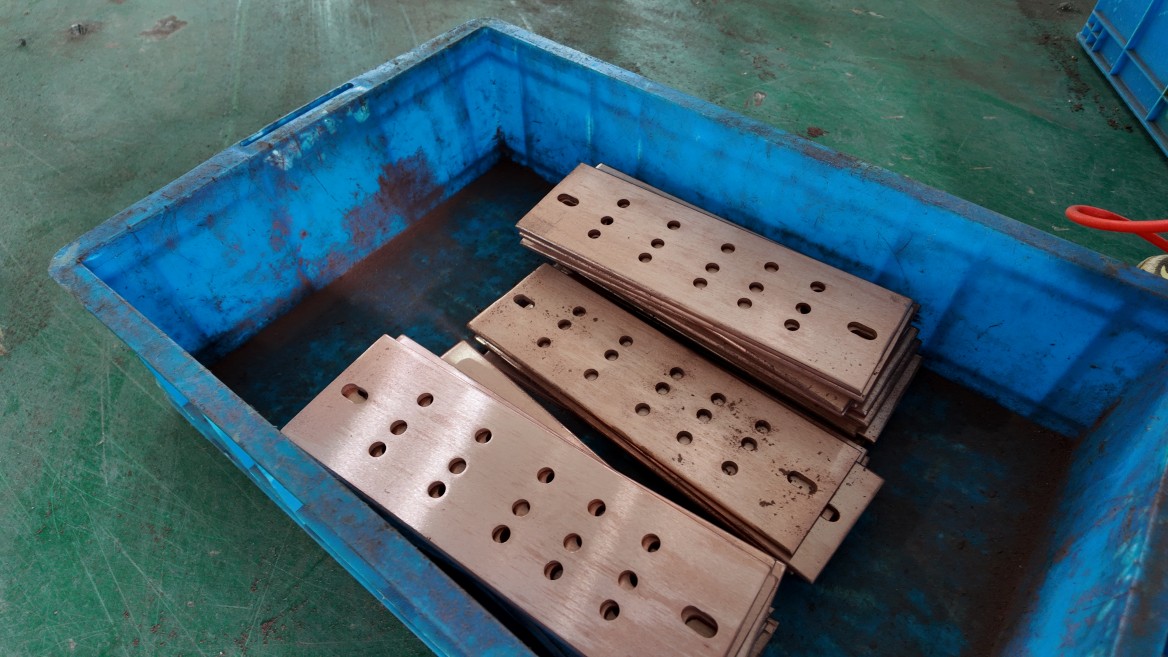
Real Shop Experience: On a recent 6-meter-long busbar project for a European data center, we had problems with edge burrs after punching. We switched to laser cutting + light deburring and high-pressure coolant during milling — the final plated surface came out perfect, and the customer reported zero contact resistance issues after installation.
Pro Tip: Always design a small chamfer on holes and edges — it makes plating coverage much more reliable.
Design Tips for Pure Copper Busbars
- Plan hole positions and bending radii early
- Add plating thickness allowance (usually 0.02–0.05 mm)
- Use rounded corners to reduce stress during bending
- Specify current rating clearly — we help calculate optimal size
Tooling & Machining Parameters We Use
- Tool material: PCD inserts for best finish
- Spindle speed: 8,000–12,000 RPM
- Feed rate: 1,000–2,000 mm/min
- Coolant: High-pressure flood (very important!)
-
Common Deliverable Pure Copper Busbar Types
- Straight flat busbars with drilled holes
- Bent and formed busbars
- Laminated multi-layer busbars
- Tin-plated, silver-plated, or nickel-plated versions
- Custom punched, slotted, or threaded designs
Final Thoughts
Pure copper busbars, when properly graded and plated, solve the real challenges of modern power systems — delivering low resistance, excellent heat dissipation, and long-term reliability.
At Cymber Metal we specialize in high-quality pure copper busbars and related products:
- Pure Copper Busbars
- Pure Copper Square Bars
- Tin-Plated Copper Busbars
- Silver-Plated Copper Busbars
- Nickel-Plated Copper Busbars
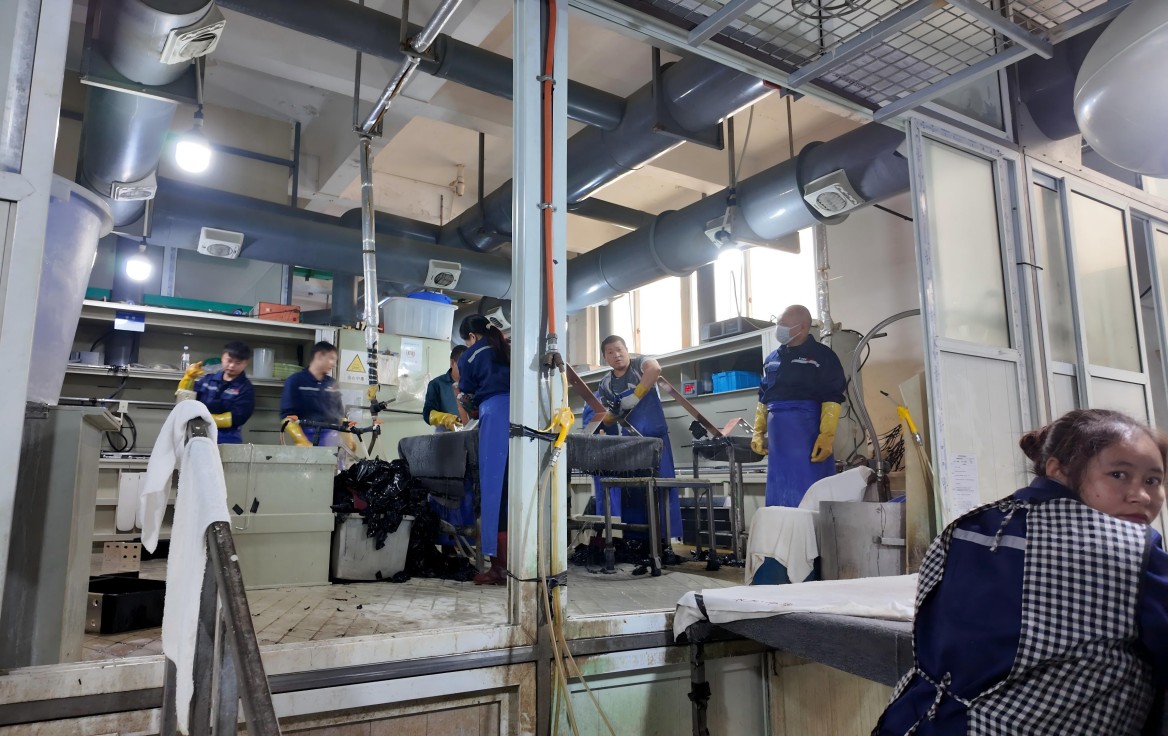
You’re also welcome to visit our CYMBER Red Copper Bar & Busbar Core Warehouse to see our full stock, or take a look inside our CYMBER Electroplating Workshop ProcessIntroduction to understand how we apply tin, silver, and nickel plating with precision.
If you have a project involving pure copper busbars — whether for substations, EV systems, data centers, or custom industrial applications — I’d be happy to help you choose the right grade and plating.
Ready to move forward? Download our latest catalog or contact our team directly.
-
Contact Us for Pure Copper Busbar Quotes & Technical Support
Post time: Feb-20-2026