
Published: March 22, 2026
By: Yanwei Hu, Aluminum Alloys Technical Expert at Cymber Metal
Good morning everyone,
Yanwei Hu here from Cymber Metal.
Every time a customer in shipbuilding or offshore engineering sends me a drawing that has to survive decades in seawater, I already know which material we’re probably going to recommend — cupronickel. It’s one of those alloys that doesn’t always get the biggest headlines, but in real-world marine and chemical environments, it quietly outperforms a lot of more expensive alternatives.
In 2026 we’re shipping more cupronickel than ever — especially for seawater piping systems, heat exchangers, desalination plants, and offshore platform components. At Cymber Metal we keep solid stock of it and turn it into finished parts almost every week. Today I’ll share what I’ve learned from real production runs: the grades we use most, where it performs best in practice, the practical advantages that matter in the field, and the products customers keep ordering.
The Cupronickel Grades We Rely On Most
We mainly work with two classic compositions that cover almost every marine and industrial need:
B10 (90/10 Copper-Nickel) This is our most popular grade for general seawater applications. The 10% nickel gives it excellent corrosion resistance and good strength while keeping the material easy to fabricate and weld.
B30 (70/30 Copper-Nickel) Higher nickel content makes this version even tougher against pitting and erosion. We recommend it when the system sees higher flow rates or more aggressive conditions — think high-velocity seawater lines or desalination plants.
My honest take: For most standard marine piping and heat exchangers, B10 is the sweet spot — reliable, cost-effective, and proven over decades. When the environment is particularly harsh or velocities are high, we switch to B30 for that extra margin of safety.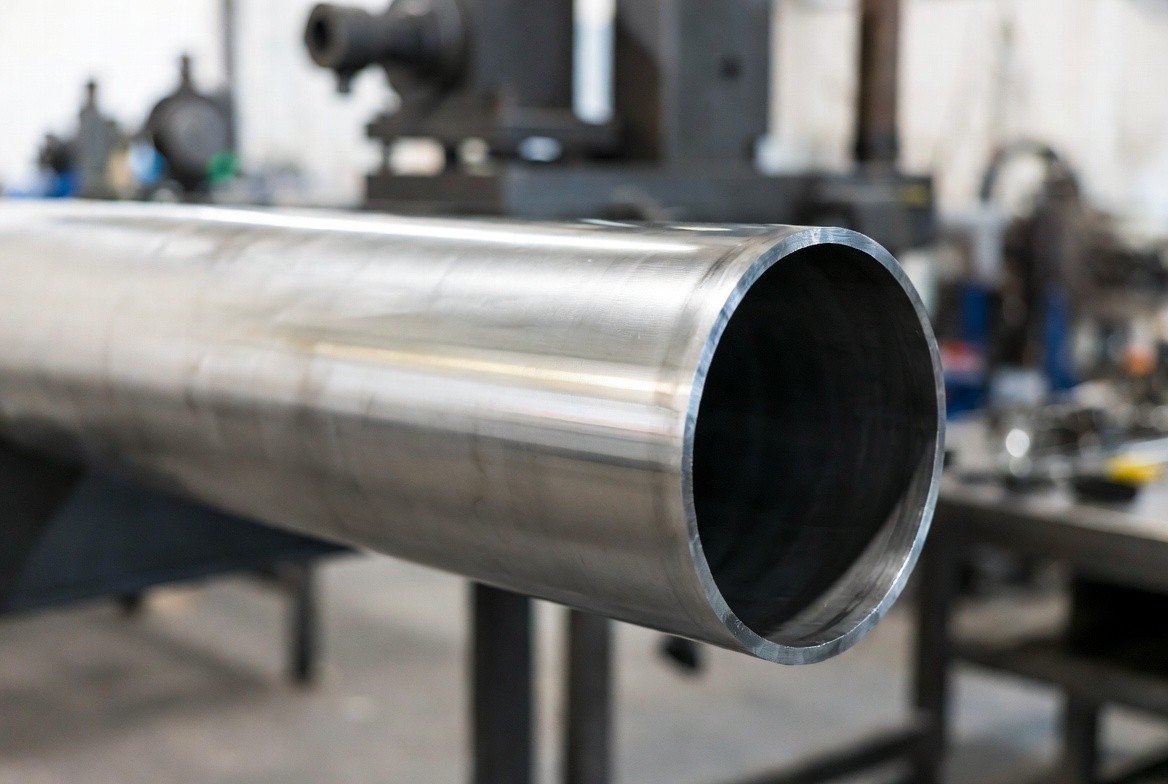
Where Cupronickel Keeps Winning in 2026
From the projects we’ve supported lately, these are the areas where it consistently outperforms other materials:
Shipbuilding and Marine Systems Seawater cooling lines, ballast systems, and fire-fighting piping — the natural anti-fouling properties and corrosion resistance make it the standard choice for many shipyards.
Offshore Platforms and Desalination Plants Heat exchangers, condensers, and process piping — it handles high-velocity seawater and chloride environments without pitting or erosion.
Chemical and Power Plants Cooling water systems and brine lines — the alloy’s stability in aggressive fluids keeps maintenance costs low.
Architectural and Coastal Structures Decorative fittings and handrails near the sea — it keeps its attractive appearance for years with minimal maintenance.
One recent customer in the Middle East replaced their old stainless steel heat exchanger tubes with our B30 cupronickel. After 14 months in high-salinity brine, the cupronickel tubes showed almost no corrosion while the stainless ones needed early replacement.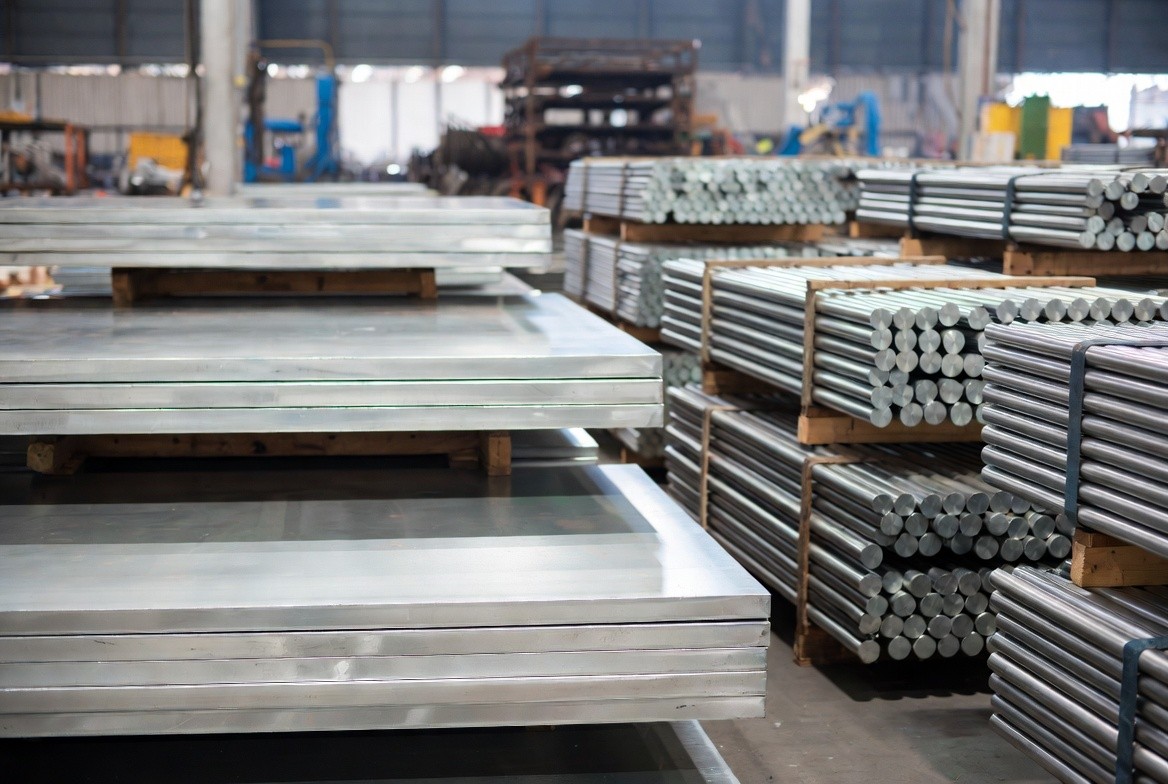
Machining Cupronickel: What Actually Works on the Floor
Cupronickel machines very cleanly once you understand its rhythm:
- It’s tougher than pure copper but still forgiving with sharp tools.
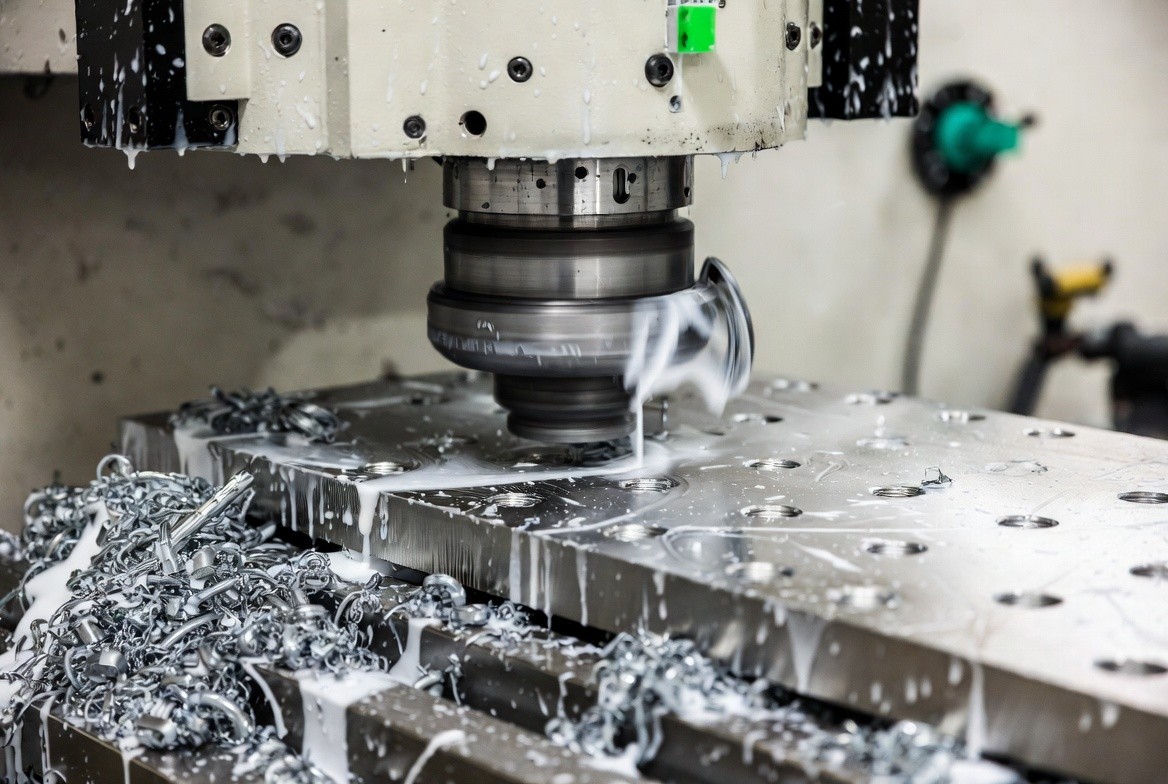
- High-pressure coolant helps control heat and gives excellent surface finish.
- For welding or brazing, the material flows nicely and creates strong joints.
Quick story from last month: We had a batch of B10 tubes for a desalination project. The first run had some minor surface marks because we used the same feeds as for brass. I slowed the spindle slightly and increased coolant flow — surface finish improved dramatically and the tubes passed all pressure and corrosion tests on the first try.
Pro Tip: When machining thin-walled tubes, always use a live center or steady rest. Cupronickel is forgiving, but vibration can still affect tolerances if you’re not careful.
Common Cupronickel Products We Deliver
We keep a good range in stock and can quickly produce custom work:
You can also visit our CYMBER Zhejiang Large-Scale Copper & Aluminum Integrated Warehouse to see current stock levels in real time.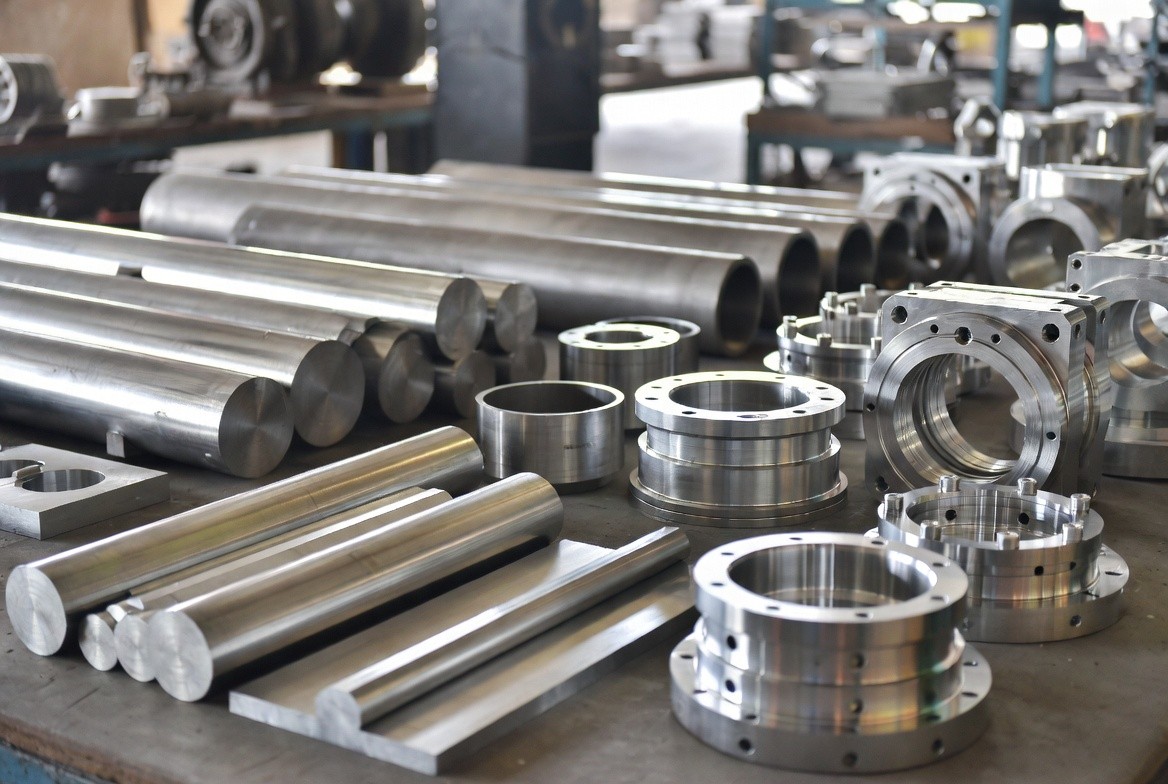
Final Thoughts
Cupronickel may not be the newest alloy on the market, but it’s still one of the smartest choices when you need reliable corrosion resistance and good fabricability in seawater or aggressive chemical environments. The combination of performance and long-term reliability keeps it on our machines year after year.
If you have a marine, offshore, or chemical project where cupronickel could be the solution — or you’re not sure which grade is best — send me the drawing. I’ll give you straight advice based on what we’ve seen work in the real world.
Ready to discuss? Download our latest cupronickel stock list or reach out anytime.
Download 2026 Cupronickel Stock List (PDF)
Contact Us for Cupronickel Project Support
Post time: Mar-22-2026