
Published: February 9, 2026
By: Zhen Liu, Pure Copper Technical Expert at Cymber Metal
Hi everyone—Zhen Liu here, your pure copper specialist at Cymber Metal. While most people think of pure copper as soft and ductile for electrical work, forging changes everything. Forged pure copper gets a denser grain structure, higher strength, and no internal voids—making it suitable for demanding industrial parts where cast or rolled copper would fail under pressure or fatigue.
In 2026, with industries pushing for lighter, stronger components in valves, pumps, and pressure vessels, forged pure copper is gaining traction. This guide shares what we’ve learned forging and machining pure copper at Cymber Metal: grades, processes, advantages, challenges, and tips from real projects.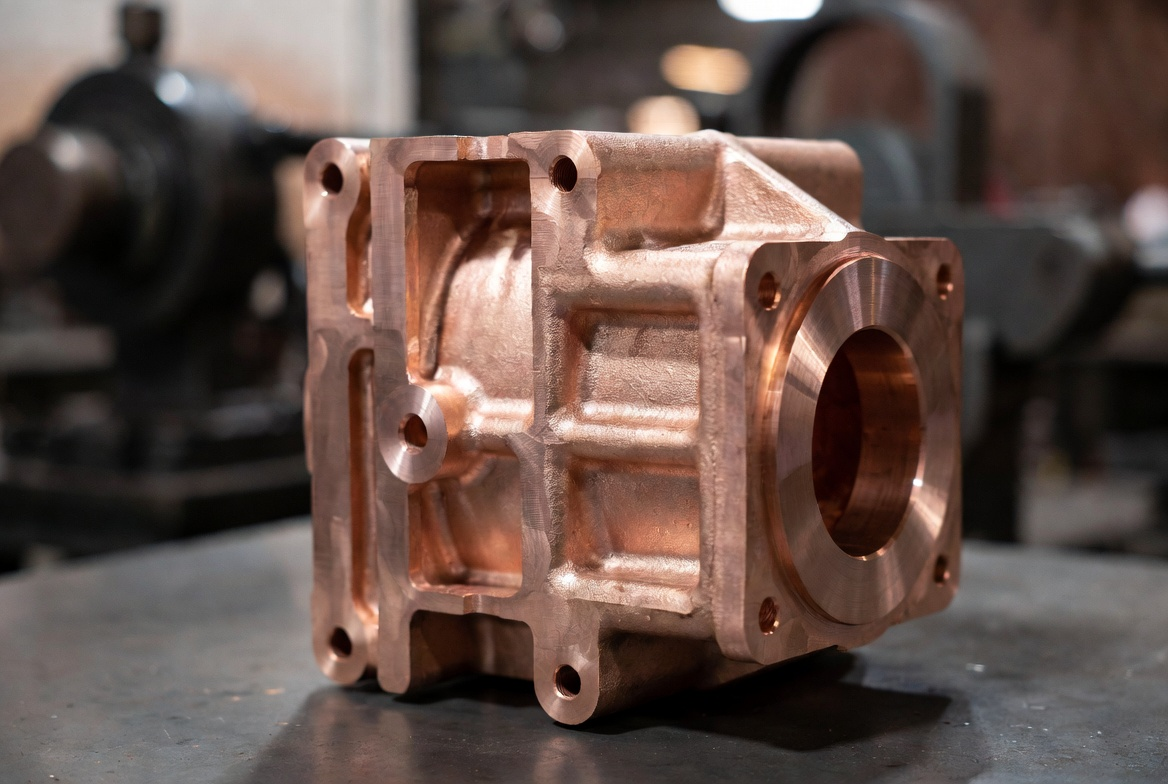
Forged Pure Copper Grades and Properties
Grade Selection Table
| Grade | Purity | Oxygen Content | Key Forging Advantages | Best Industrial Applications | Tensile Strength (Forged) | Relative Cost |
|---|---|---|---|---|---|---|
| C10100 (OFHC) | 99.99% | <5 ppm | Highest ductility, no voids | High-pressure valves, aerospace | 300–400 MPa | High |
| C10200 (OF) | 99.95% | Oxygen-free | Excellent hot workability | Pump impellers, fittings | 280–380 MPa | Medium-High |
| C11000 (ETP) | 99.90% | ~200–400 ppm | Cost-effective, good strength gain | General industrial hardware, flanges | 250–350 MPa | Medium |
Quick Tip: OFHC for critical high-pressure parts—forging eliminates any risk of hydrogen embrittlement.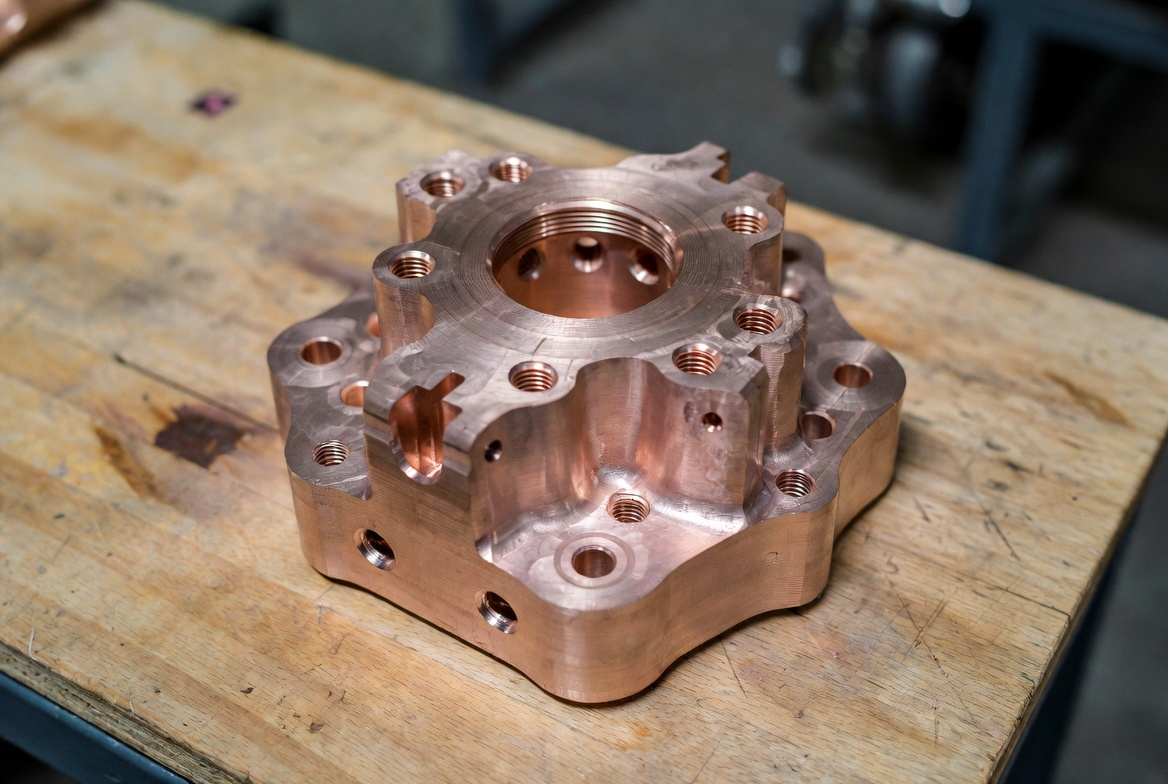
Forging Processes for Pure Copper
Common Forging Methods
- Open-Die Forging → For large billets and custom shapes.
- Closed-Die Forging → Precision for high-volume parts.
- Hot Forging → Typical at 700–900°C for best flow.
- Post-Forging Machining → Essential for final dimensions.
Why Forging Over Casting or Rolling
Forging refines grain, eliminates porosity, and boosts mechanical properties—critical for industrial reliability.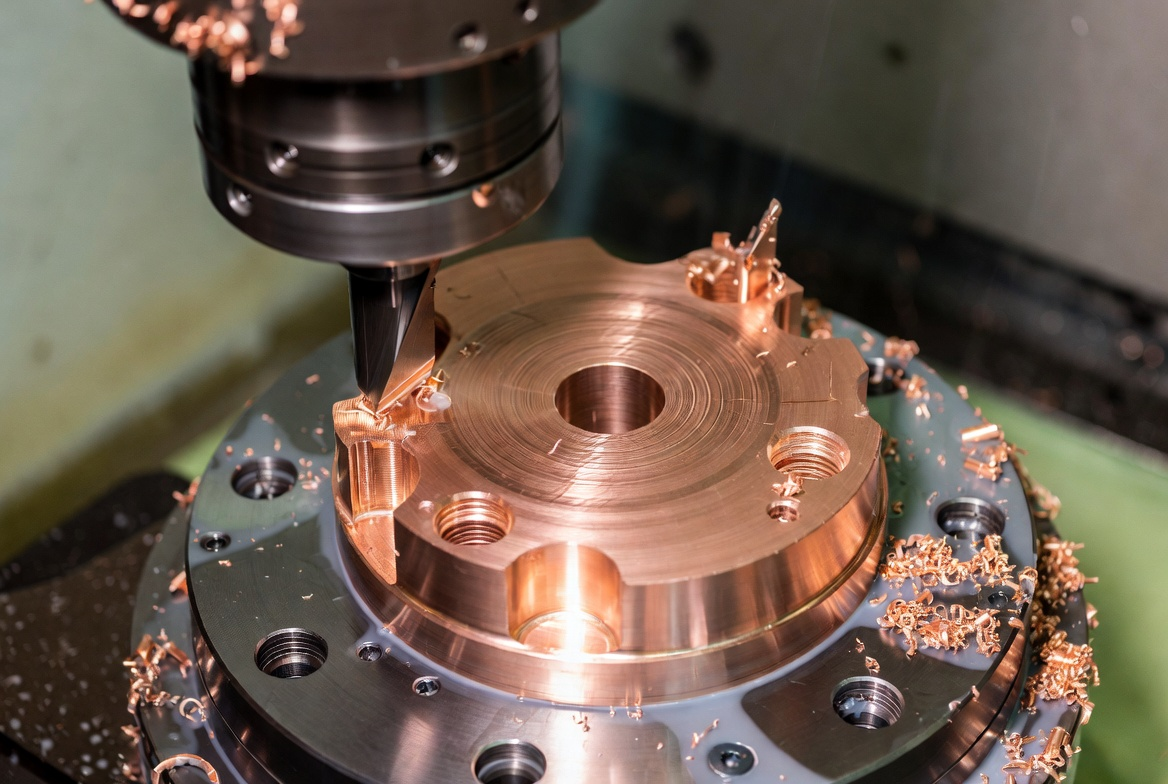
Advantages of Forged Pure Copper in Industry
- Increased strength & fatigue resistance → Forged structure handles pressure cycles.
- Zero internal defects → No porosity or voids from casting.
- Better thermal/electrical conductivity → Retained from pure copper base.
- Improved impact toughness → Safer in dynamic loads.
- Corrosion resistance → Pure copper excels in many environments.
-
Challenges in Forging Pure Copper
Common Issues
- Oxidation during heating → Surface scale in air forging.
- Grain growth risk → If temperatures too high.
- Soft material flow → Needs precise die design.
Practical Solutions from the Shop
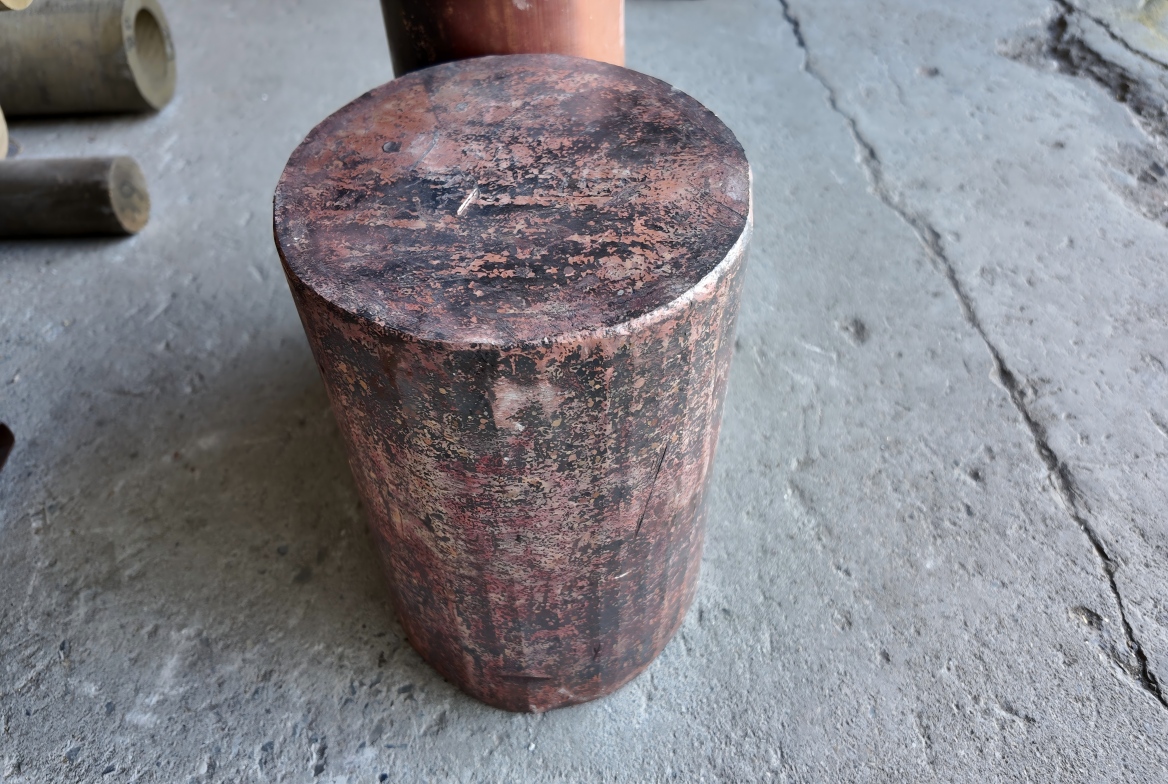
Engineering Experience: In our forged pure copper projects at Cymber Metal for high-pressure valve bodies, oxidation scale was a recurring issue during hot forging. We switched to controlled atmosphere heating and immediate pickling, eliminating scale and preserving the clean surface needed for final machining.
Pro Tip: Forge in inert gas if possible—keeps the golden color and reduces post-cleaning.
-
Design Considerations & Tips
- Forging Temperature: 700–900°C for optimal flow.
- Reduction Ratio: At least 3:1 for grain refinement.
- Post-Forging Anneal: For ductility in secondary operations.
- Machining Allowance: 2–5 mm for final precision.
Tooling & Parameter Recommendations
- Die Material: H13 steel with coatings for longevity.
- Example Forging Parameters:
- Temperature: 800°C
- Reduction: 20–30% per pass
- Cooling: Controlled to avoid cracks
- Post-Machining: Light cuts on soft forged material.
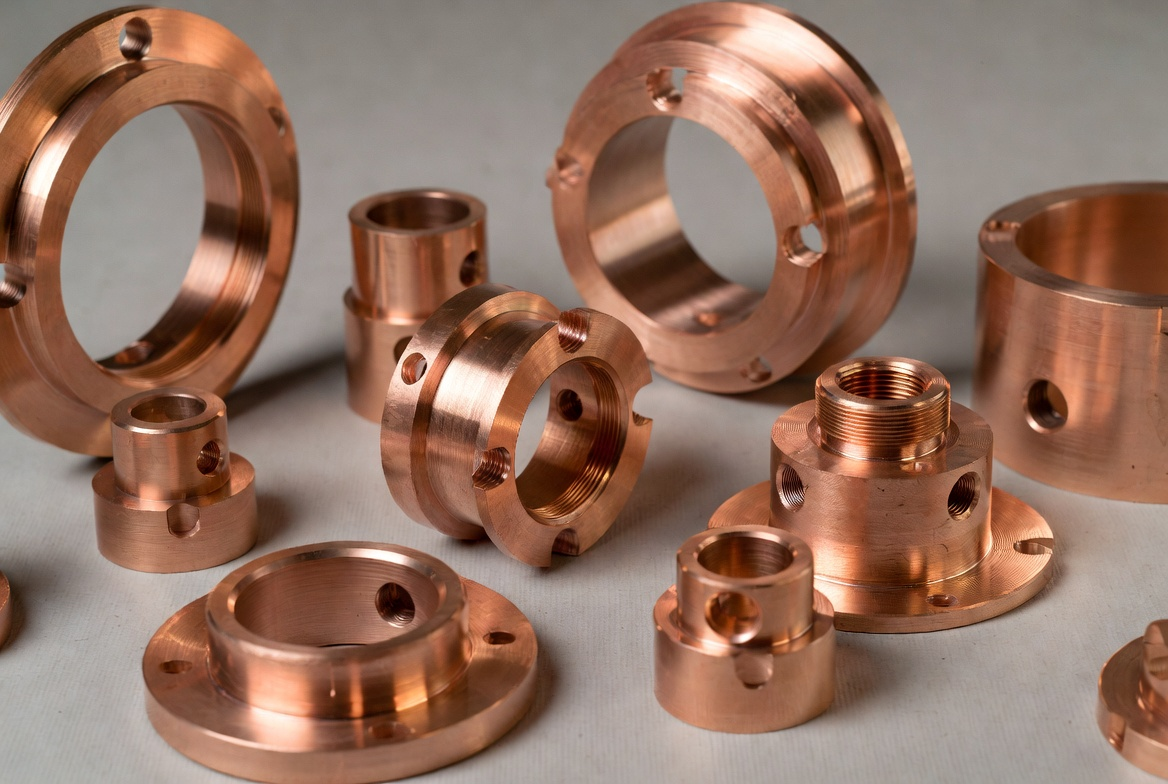
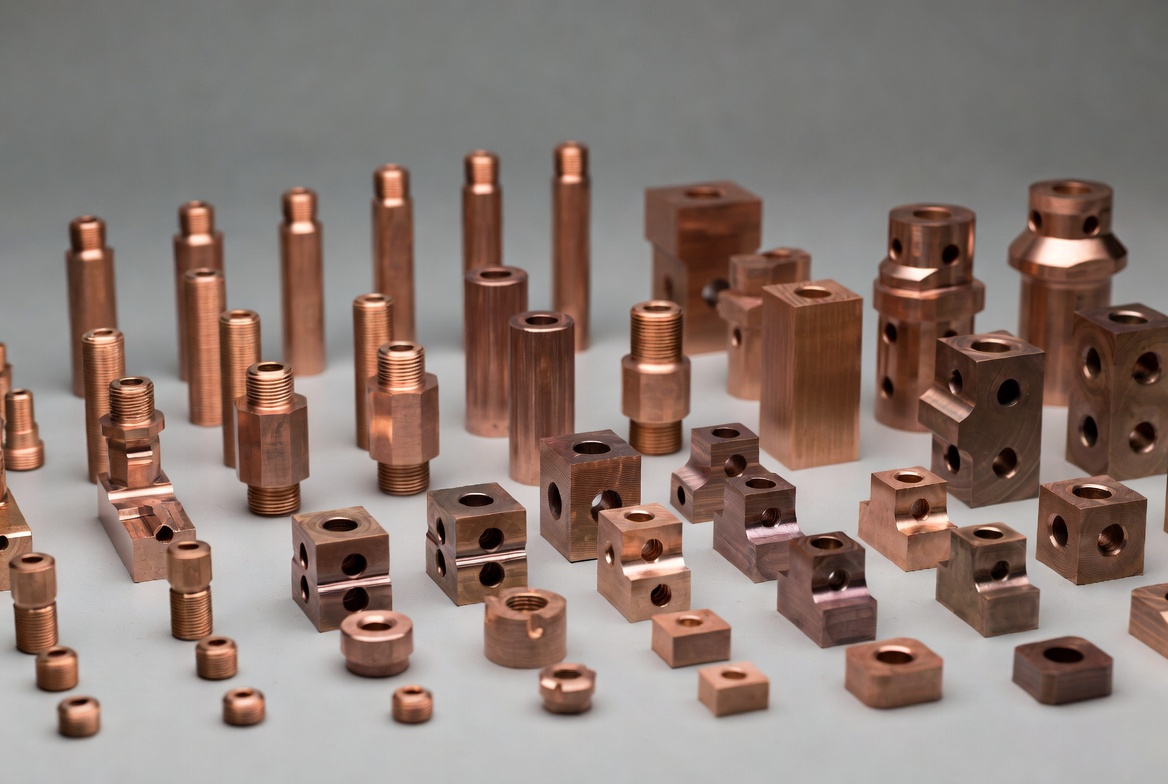
Common Deliverable Parts We Forge in Pure Copper
- Valve bodies and bonnets
- Pump impellers and housings
- Pressure vessel flanges
- Heavy-duty bushings
- Aerospace fittings
- Industrial connectors
Real-World Industrial Applications
- High-pressure valves and regulators
- Chemical processing equipment
- Pump and compressor components
- Aerospace hydraulic fittings
- Power generation hardware
Cost & Sustainability Factors in 2026
Forging adds cost but extends part life—recycled copper billets keep it sustainable.
Final Thoughts
Forged pure copper solves strength and density challenges where cast or rolled copper falls short—delivering reliable industrial parts with pure copper’s inherent advantages.
At Cymber Metal, we stock a full range of pure copper forms to support your forging projects:
If you’re sourcing forged pure copper machining—whether valve bodies, flanges, or custom high-strength components—Cymber Metal offers stocked billets, forging expertise, and flexible volumes from prototypes to full production.
Ready to discuss your project? Download our pure copper catalog or contact our team.
Post time: Feb-09-2026