
Published: February 3, 2026
By: Kai Peng Huang, Technical Specialist at Cymber Metal
High-strength naval brass—typically C46400 or equivalents like CZ114, CW712R, HSn60-1—is the alloy we rely on when parts need to stand up to seawater corrosion while handling serious loads. The small tin addition (around 1%) inhibits dezincification, giving it much better resistance than ordinary brasses in marine environments. It’s stronger than standard yellow brass, machines cleanly, and has that warm golden color that holds up well.
At Cymber Metal, we’ve done plenty of naval brass for ship fittings and offshore hardware. This guide shares what we’ve learned on the shop floor: properties, processes, common problems, and tips to get durable, corrosion-resistant parts.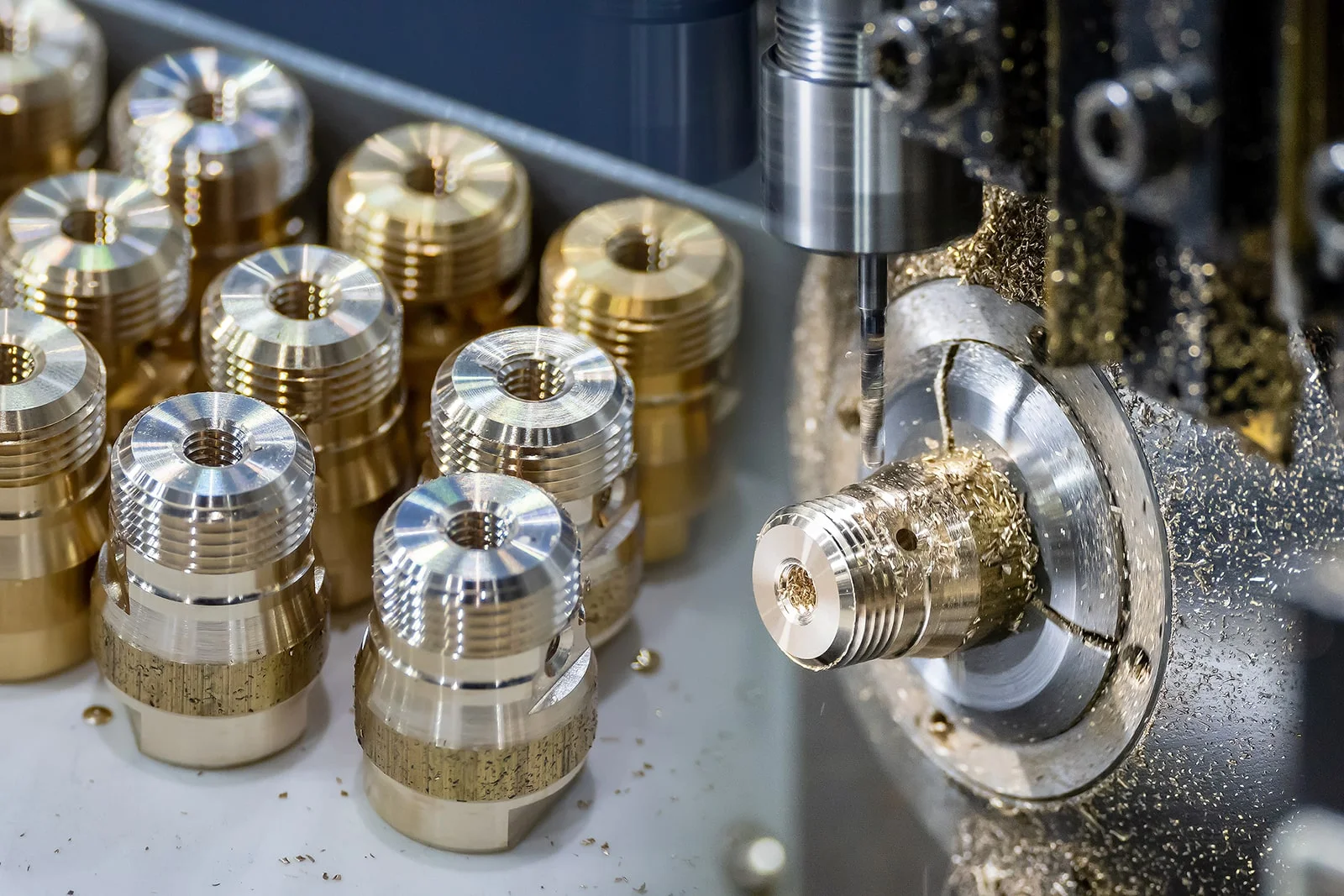
High-Strength Naval Brass Grade Comparison Table
| Grade | Standard | Tin Content | Key Strengths | Best For | Machinability | Relative Cost |
|---|---|---|---|---|---|---|
| C46400 | ASTM | 0.5–1.0% | Excellent seawater corrosion resistance, high strength | Marine fittings, valves | Excellent | Medium |
| CZ114 | British | ~1% | Good hot working, dezincification resistant | Ship hardware | Good | Medium |
| CW712R | EN | ~1% | Balanced strength and formability | Offshore components | Excellent | Medium |
| HSn60-1 | Chinese (GB) | ~1% | High strength, marine durability | Propeller parts | Good | Medium |
Quick Tip: C46400 for seawater-exposed parts—tin makes all the difference against dezincification.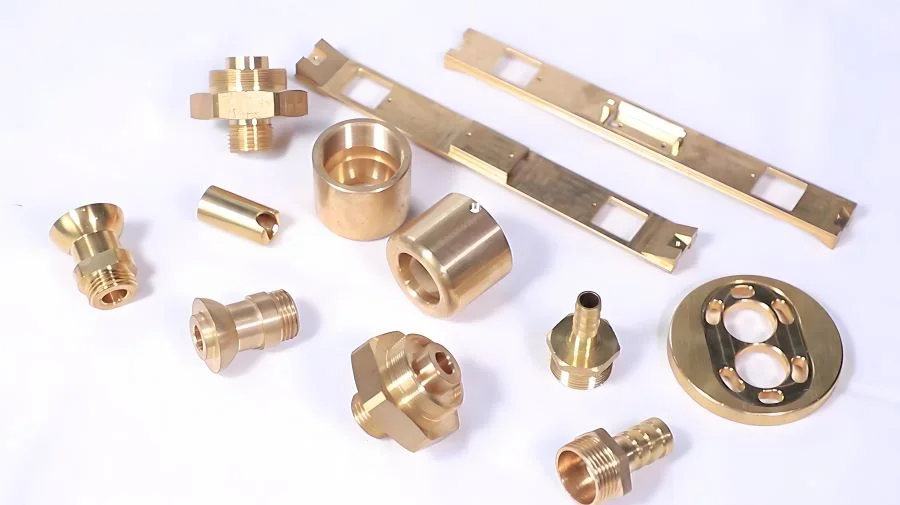
Suitable Processes for High-Strength Naval Brass
Naval brass handles hot and cold working well:
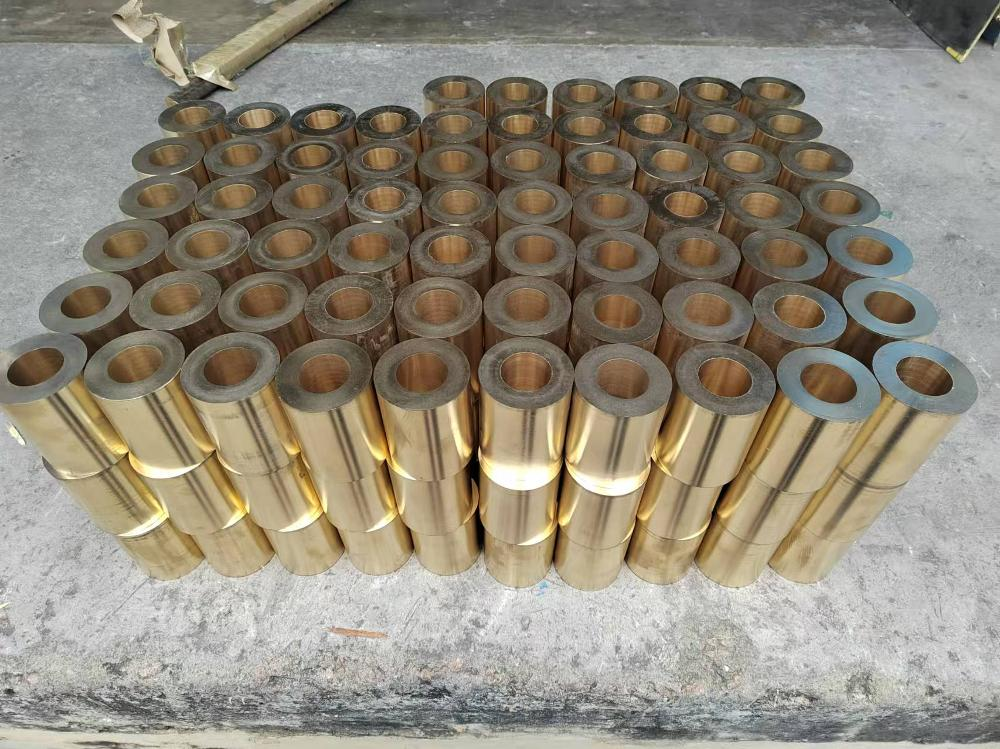
- Hot Extrusion → Ideal for tubes and rods.
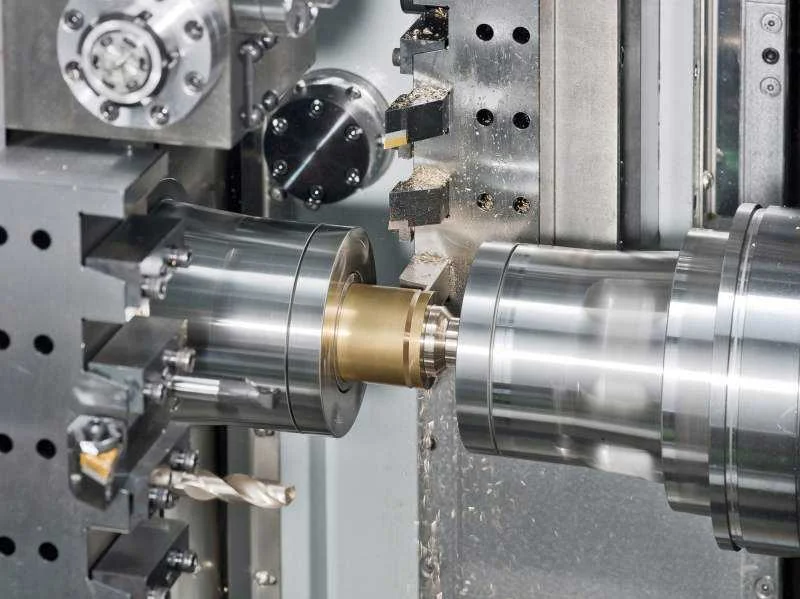
- CNC Turning/Milling → Perfect for fittings and valves.
- Forging → For added strength in heavy parts.
- Threading → Clean, strong threads.
- Polishing → Enhances appearance and corrosion protection.
Advantages of High-Strength Naval Brass
- Superior seawater corrosion resistance → Tin prevents dezincification.
- Higher strength → Better than ordinary brass for load-bearing.
- Good machinability → Clean cuts, fast production.
- Warm golden color → Attractive for visible marine hardware.
- Hot workability → Easy extrusion for complex shapes.
-
Challenges & Practical Solutions
Naval brass has tin, so watch these:
- Dezincification → Rare but possible in stagnant water—use proper inhibitors.
- Hot shortness → Control temperatures during extrusion.
- Chip control → Slightly longer chips than leaded brass.
Engineering Experience: In our naval brass projects at Cymber Metal, machining marine valve bodies for offshore clients sometimes showed minor surface pitting in testing. We fixed it by optimizing coolant and adding light passivation, delivering parts that passed accelerated salt spray tests with flying colors.
Pro Tip: Keep coolant fresh—helps with chip breaking and protects that golden finish.
-
Design Considerations & Tips
- Tolerances: ±0.02 mm in machining.
- Wall Thickness: 1–5 mm for corrosion allowance.
- Threads: Design for strength—naval brass threads hold well.
- Surface Protection: Light coating for extreme exposure.
Tooling & Parameter Recommendations
- Tool Material: Coated carbide for longer life.
- Example Parameters (Turning C46400):
- Spindle: 3,000–5,000 RPM
- Feed: 0.15–0.3 mm/rev
- Depth: 1–3 mm
- Coolant: Flood—keeps surfaces clean.
-
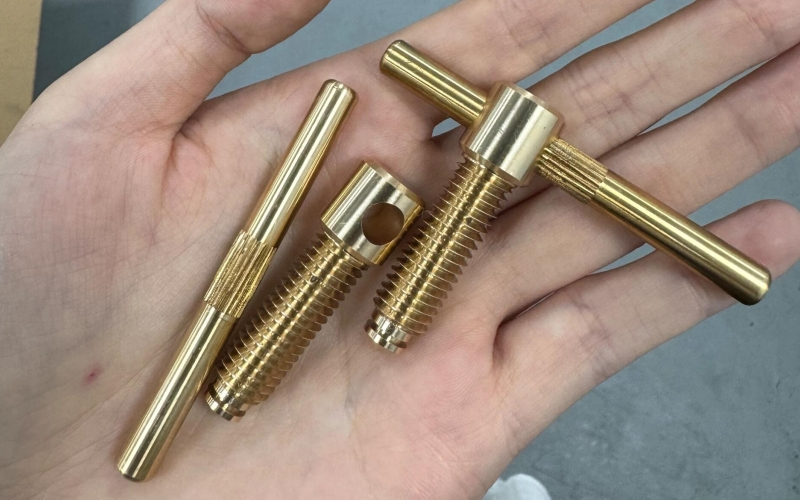
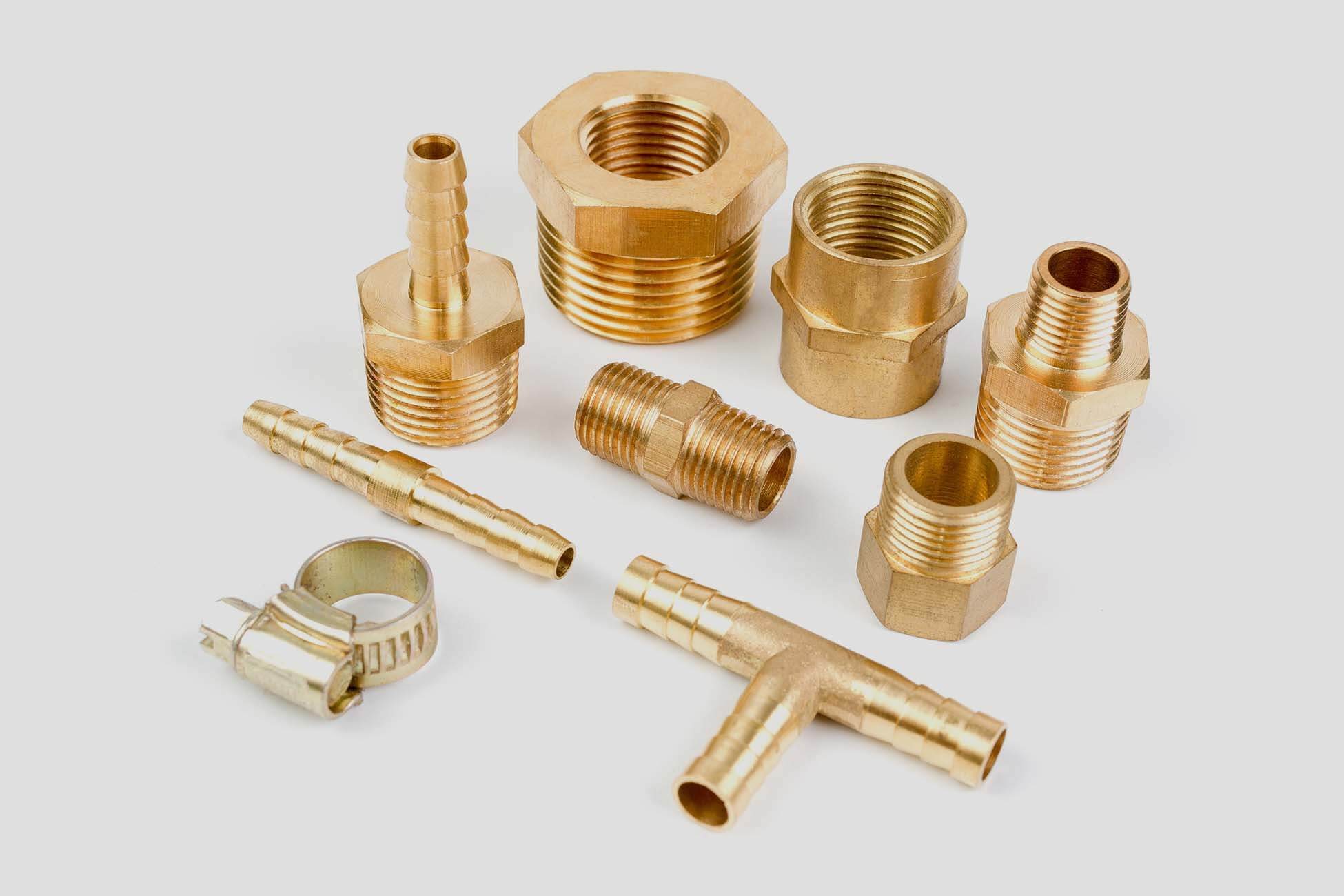
Common Deliverable Parts We Produce in High-Strength Naval Brass
- Marine valve bodies and stems
- Propeller shaft nuts and bushings
- Deck fittings and fasteners
- Pump impellers and housings
- Offshore connectors
- Rudder components
Real-World Applications
- Ship and boat hardware
- Offshore platforms
- Marine pumps and valves
- Naval equipment
- Seawater cooling systems
Cost & Sustainability Factors in 2026
Moderate pricing (~$8–10/kg) with excellent recyclability and long service life in marine use.
Final Thoughts
High-strength naval brass machining delivers the corrosion resistance and toughness needed for real marine environments—parts that stand up to salt water and stress year after year.
If you’re sourcing reliable machining for high-strength naval brass—whether marine fittings, valves, or custom offshore components—Cymber Metal offers stocked material, precise processing, and flexible volumes from prototypes to full production.
Ready to discuss your project? Download our latest naval brass catalog for specs and examples, or contact our technical team for quotes and support.
Post time: Feb-03-2026