
Published: March 15, 2026
By: Yanwei Hu, Aluminum Alloys Technical Expert at Cymber Metal
Good morning everyone,
Yanwei Hu here from Cymber Metal.
I’ve been working with phosphor bronze for more than a decade now, and it never stops impressing me. When a customer needs a material that can flex thousands of times without cracking, or hold tight electrical contact under vibration and heat, phosphor bronze is usually the one I recommend first. It’s not flashy, but it has this quiet resilience that a lot of newer alloys still struggle to match.
In 2026 we’re seeing steady demand for phosphor bronze in everything from precision springs and electrical connectors to marine hardware and musical instrument components. At Cymber Metal we keep good stock of it and machine it into finished parts almost every week. Today I’ll share what I’ve learned from real production: the grades we use most, where it performs best in practice, the machining tricks that actually matter, and the products customers keep ordering.
The Phosphor Bronze Grades We Rely On Most
We mainly run two that cover nearly every need we see:
C51000 – The Classic Spring Material This is our go-to for most electrical and mechanical springs. The phosphorus gives it excellent fatigue resistance and good formability. We use it for everything from relay contacts to musical instrument reeds.
C52100 – The Tougher Option Higher tin and phosphorus content makes this grade stronger and more wear-resistant. Perfect when the part needs to handle higher loads or repeated bending cycles.
My honest take: If the part is mostly about spring action and electrical conductivity, C51000 is hard to beat. For heavier duty or higher wear situations, C52100 gives you that extra margin of safety.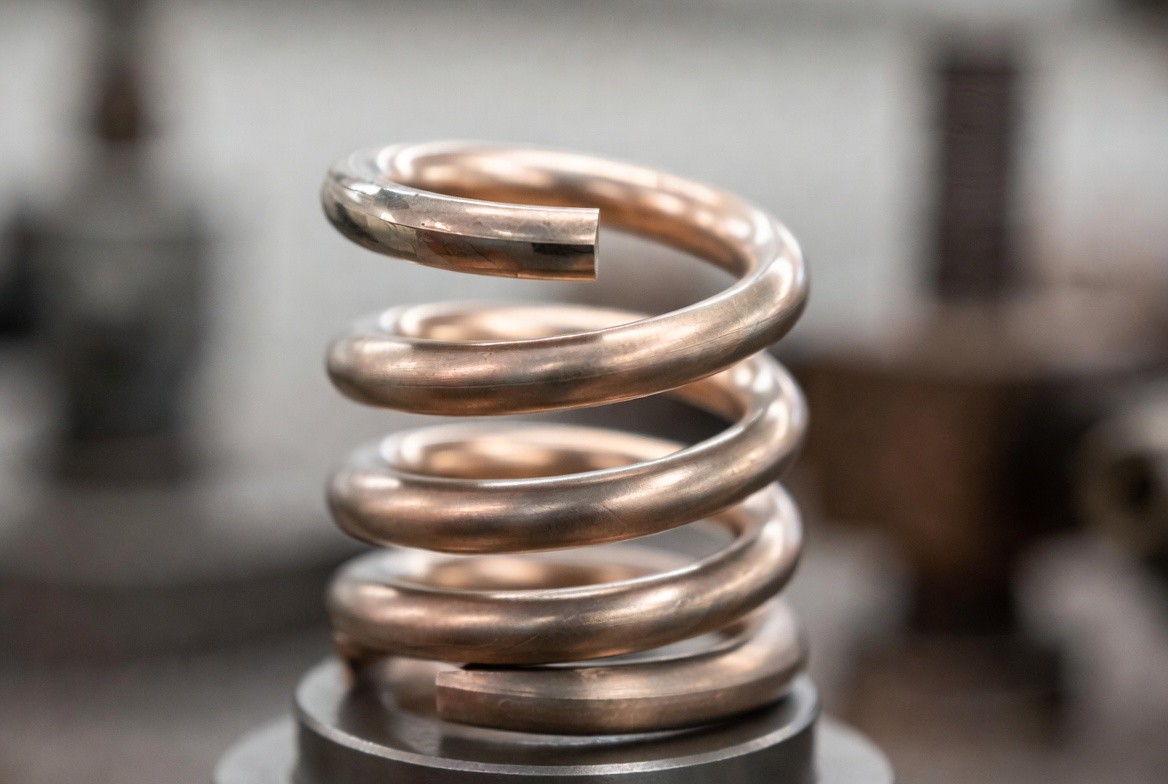
Where Phosphor Bronze Keeps Delivering in 2026
From the jobs crossing my desk lately, these are the areas where it consistently shines:
Electrical and Electronics Connectors, relay springs, switch contacts — the combination of conductivity and fatigue resistance is tough to beat.
Marine and Offshore Hardware Fasteners, valve components, and fittings that need to resist corrosion while staying flexible.
Industrial Springs and Flexures Anywhere you need repeated bending without failure — from heavy machinery to precision instruments.
Musical Instruments and Precision Devices Reeds, valves, and moving parts where consistent spring force is critical.
One European customer recently switched their high-cycle relay springs from stainless steel to C51000 phosphor bronze. The new parts are running 40% longer between replacements and maintaining much more consistent contact pressure — a small change that made a big difference in their product reliability.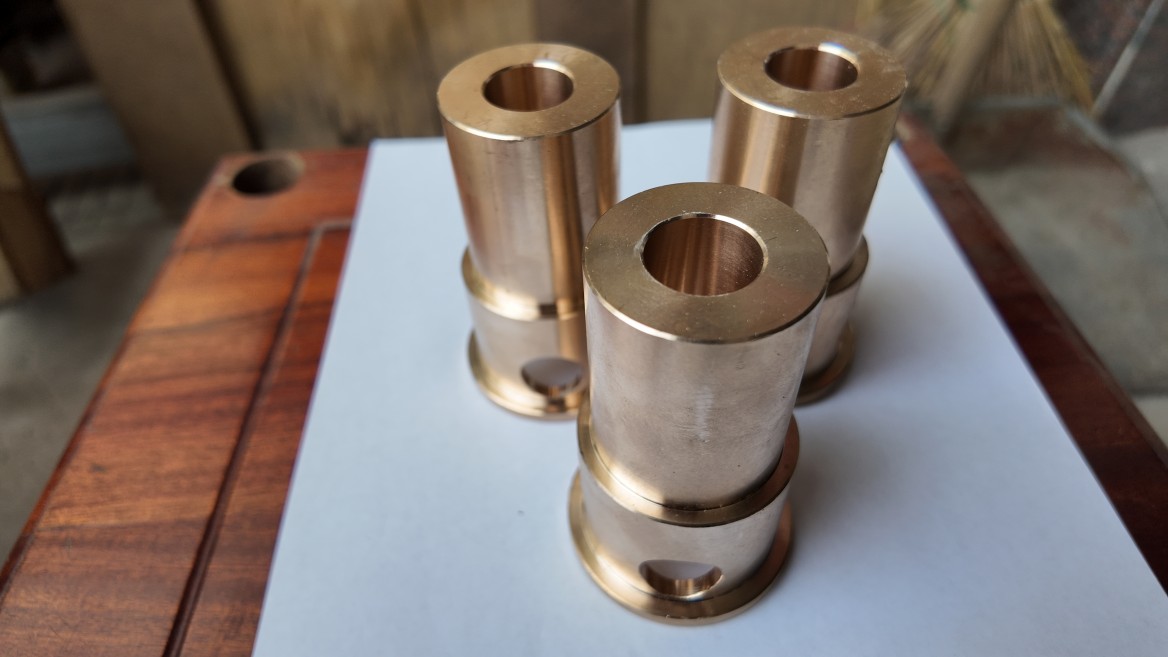
Machining Phosphor Bronze: What Actually Works on the Floor
Phosphor bronze machines very cleanly once you understand its rhythm:
- It loves high speeds but hates vibration — rigid setups are key.
- Sharp tools and good coolant give mirror-like finishes with almost no built-up edge.
- For the higher-phosphorus grades, a light cut and steady feed prevent work hardening.
Quick story from last week: We had a batch of C52100 spring contacts for an industrial control system. The first run had some slight chatter marks because we used the same parameters as for brass. I increased spindle speed, reduced depth of cut, and added more coolant — surface finish improved dramatically and the customer immediately placed a repeat order with tighter tolerance requirements.
Pro Tip: When machining thin springs or flexures, always leave a little extra stock for final polishing. Phosphor bronze responds beautifully to a light final pass and gives you that consistent spring force you need.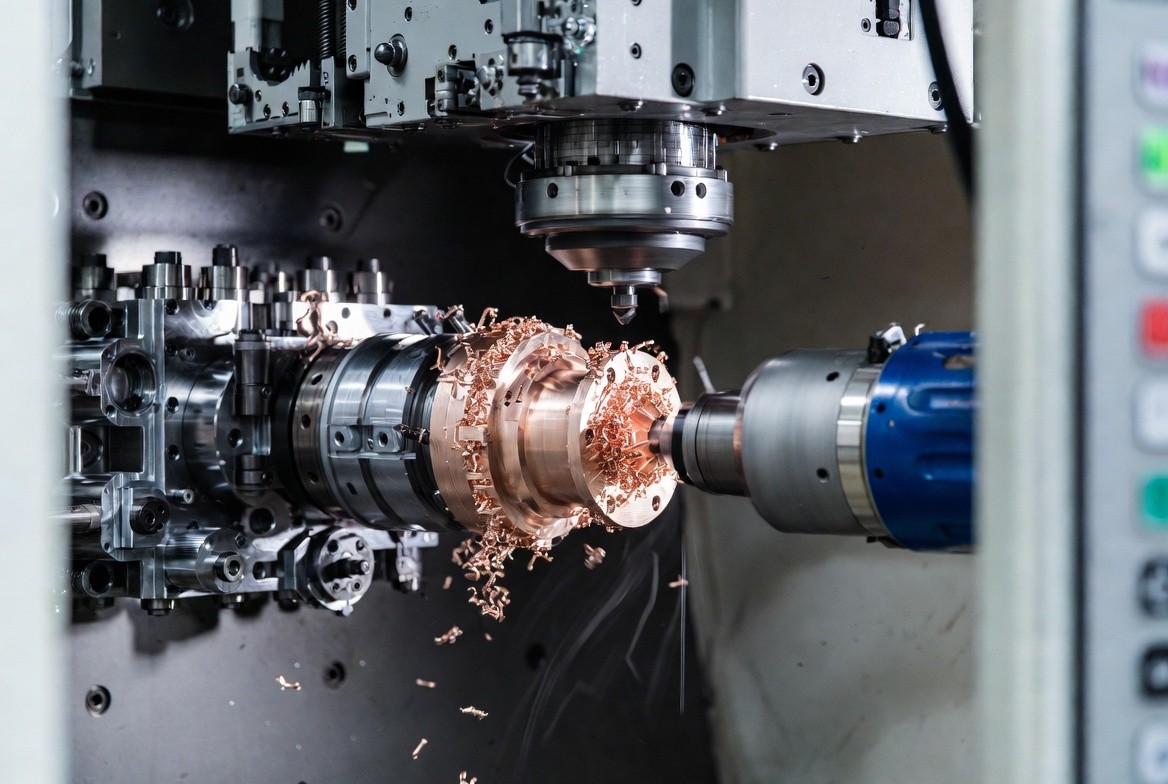
Common Phosphor Bronze Products We Deliver
We keep a solid inventory and can quickly produce custom parts:
- Phosphor Bronze Plates
- Phosphor Bronze Rods
- Phosphor Bronze Tubes
- CNC Machined Phosphor Bronze Products
You can also visit our CYMBER Zhejiang Large-Scale Copper & Aluminum Integrated Warehouse or CYMBER Jiangsu Copper & Aluminum Integrated Warehouse to see current stock levels in real time.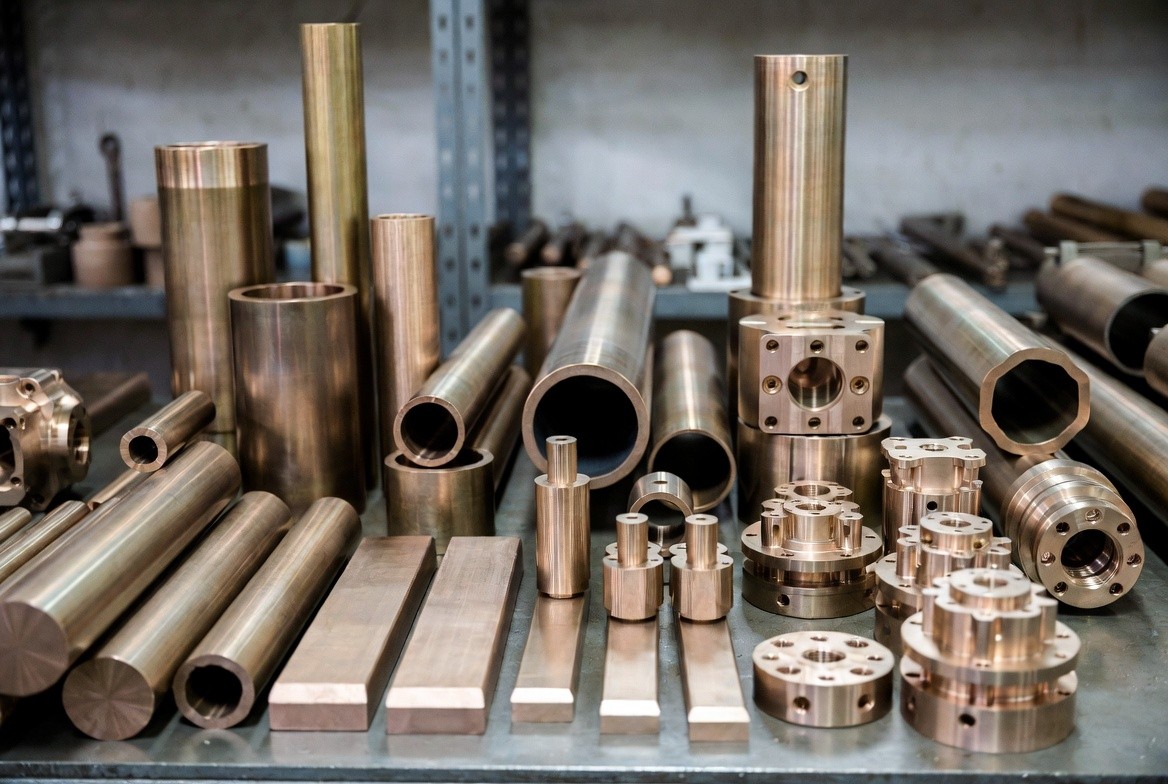
Final Thoughts
Phosphor bronze may be an older alloy, but it’s still one of the smartest choices when you need reliable spring action, fatigue resistance, and good conductivity in one material. The combination of toughness and consistent performance keeps it on our machines year after year.
If you have a project where phosphor bronze could be the solution — or you’re not sure which grade is best — send me the drawing. I’ll give you straight advice based on what we’ve seen work in the real world.
Ready to discuss? Download our latest phosphor bronze stock list or reach out anytime.
Download 2026 Phosphor Bronze Stock List (PDF)
Contact Us for Phosphor Bronze Project Support
Post time: Mar-15-2026