
Published: April 3, 2026
By: Yanwei Hu, Aluminum Alloys Technical Expert at Cymber Metal
Good morning everyone,
Yanwei Hu here from Cymber Metal.
I’ve spent years machining both aluminum bronze and cupronickel for marine and offshore projects, and one question keeps coming up from engineers: “In high-pressure seawater systems, why do you sometimes recommend C63000 aluminum bronze over cupronickel?”
It’s a smart question. Both alloys are excellent in seawater, but when pressure climbs, flow rates increase, or the part must handle impact and erosion at the same time, C63000 often becomes the clearer winner. Today I’ll share the real-world reasons we see in the shop — not theory, but what actually happens on platforms, ships, and desalination plants.
Understanding the Real Challenge in High-Pressure Marine Systems
High-pressure seawater environments are brutal. Pumps, valves, manifolds, and piping systems face not only corrosion, but also cavitation, erosion from high-velocity flow, and mechanical shock. Standard cupronickel (B10 or B30) performs very well in moderate conditions, but when pressure exceeds 10 bar or flow speeds go above 3 m/s, engineers start seeing pitting, erosion, and premature failure.
This is where C63000 aluminum bronze shines. Its higher aluminum content (around 9–11%) creates a tougher oxide layer and gives the alloy significantly higher strength and hardness while maintaining excellent corrosion resistance.
Why C63000 Aluminum Bronze Excels Under High Pressure
C63000 is a nickel-aluminum bronze (sometimes called C630 or AMS 4640). The key advantages we see in real applications are:
Superior Mechanical Strength After proper heat treatment, C63000 reaches tensile strengths of 700–800 MPa and hardness up to 220 HB — roughly 30–50% stronger than typical cupronickel. This means parts can handle higher pressure without deforming or cracking.
Better Erosion and Cavitation Resistance In high-velocity seawater, the dense aluminum oxide film on C63000 resists erosion much better than the thinner film on cupronickel. We’ve tested it side-by-side in our lab — C63000 lasts significantly longer under high-flow conditions.
Excellent Galling and Wear Resistance For valve stems, pump impellers, and sliding components, C63000’s natural lubricity and hardness reduce galling and wear, even under high contact pressure.
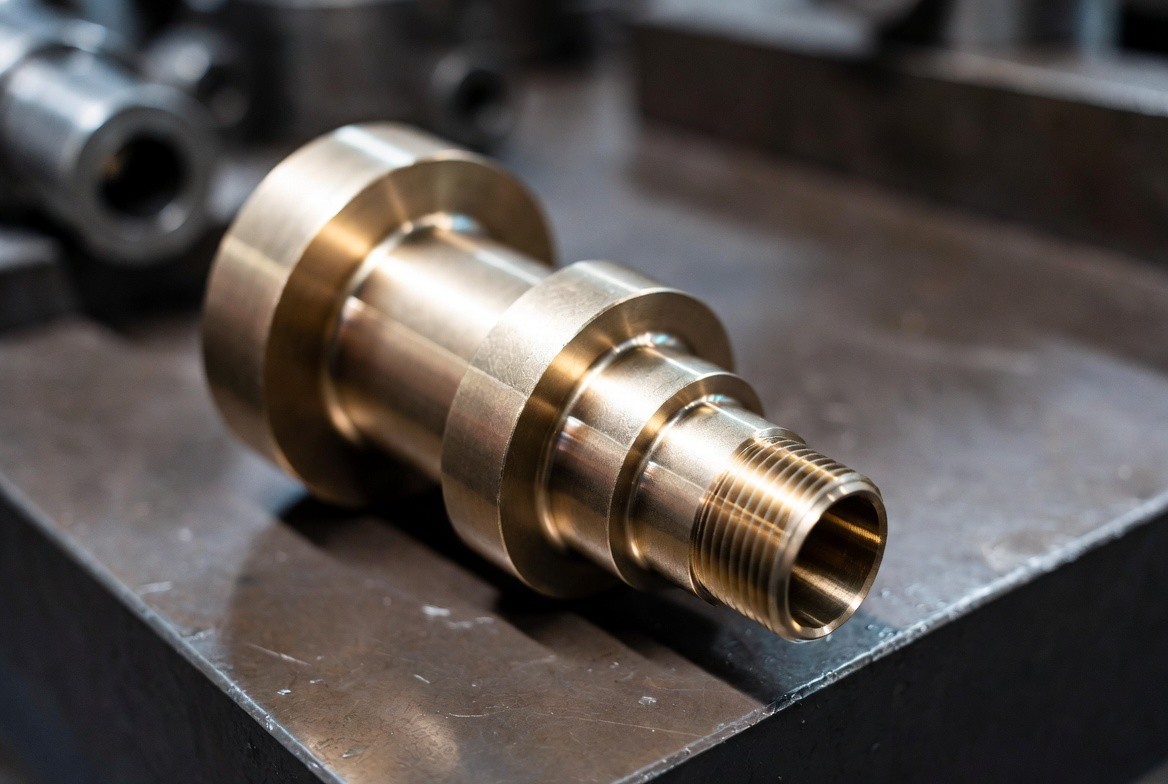
Cupronickel vs C63000 – A Direct Comparison in High-Pressure Conditions
Cupronickel is still fantastic for many applications, but here’s where we see the difference in practice:
- Pressure Rating: C63000 handles higher pressures without deformation.
- Erosion Resistance: C63000 outperforms in flows above 3–4 m/s.
- Impact and Shock: C63000 has higher toughness and is less prone to cracking under sudden loads.
- Cost and Availability: Cupronickel is often cheaper for large piping runs, but for critical high-pressure components, C63000 pays for itself through longer service life.
Real Shop Story Last month we supplied C63000 pump impellers for an offshore platform in the South China Sea. The previous cupronickel impellers lasted 18 months under 15 bar pressure. The new C63000 parts have already exceeded 28 months with almost no measurable wear. The operator told us they saved more in maintenance than the material premium.
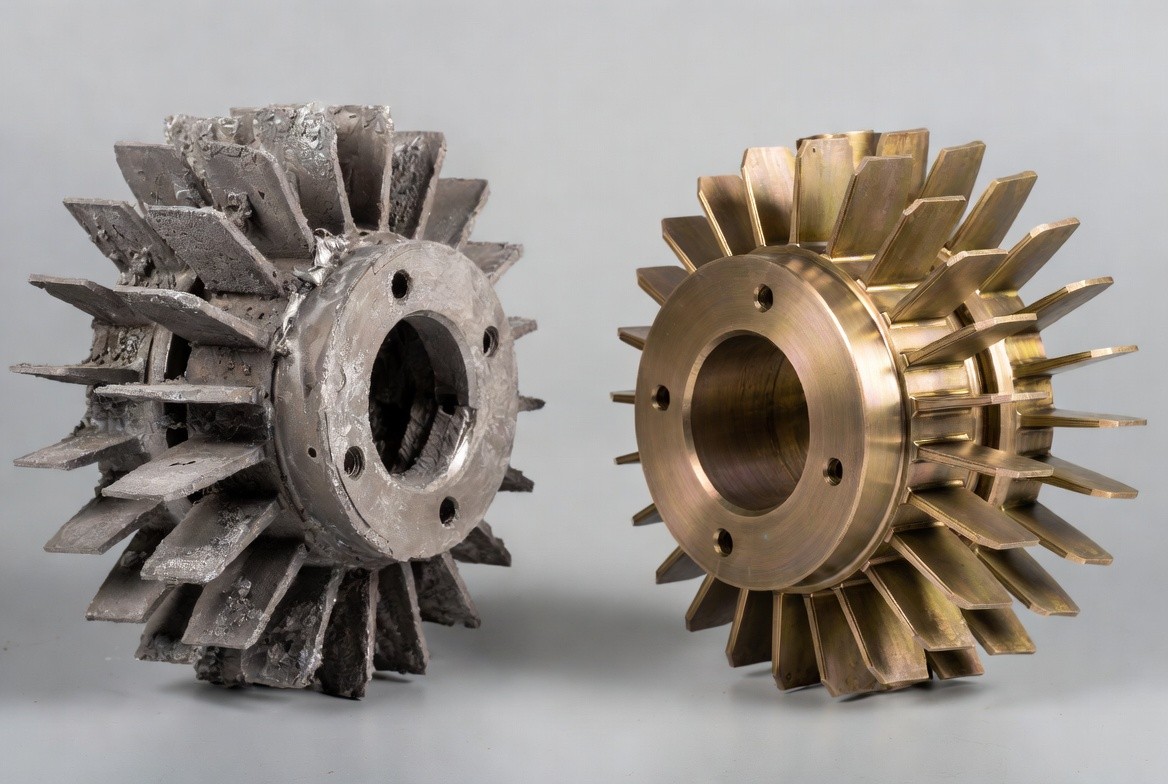
Machining C63000 for Marine Applications
C63000 machines well once you know its rhythm:
- Use coated carbide or PCD tools — it’s tougher than regular bronze.
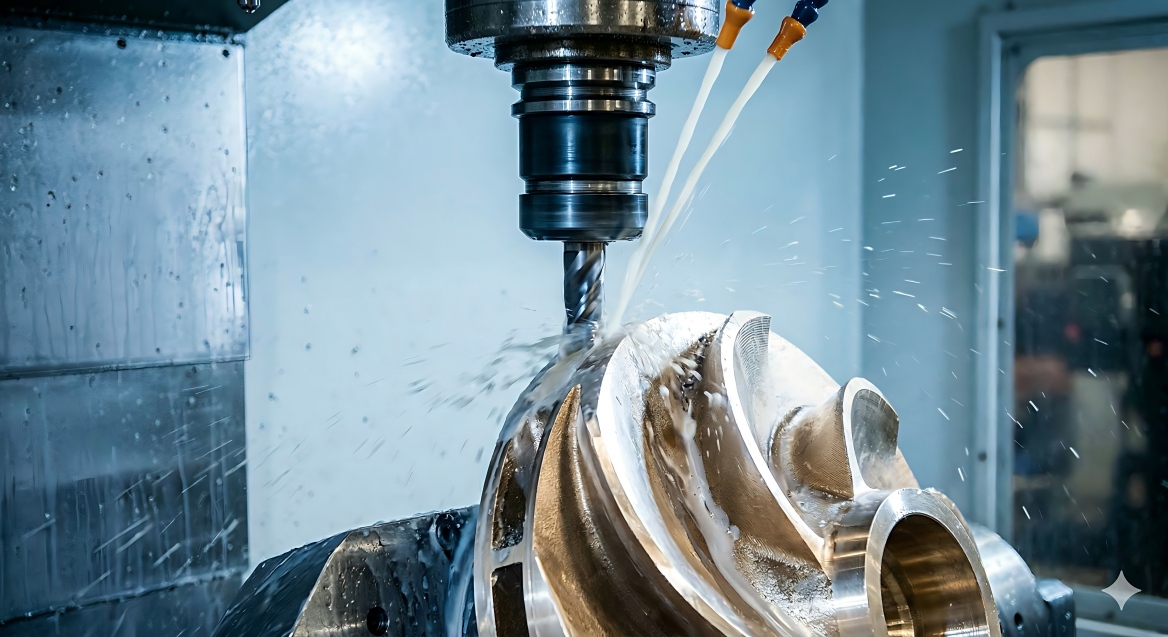
- High-pressure coolant is essential to control heat and achieve a smooth finish.
- Rigid setups prevent chatter on larger parts.
Pro Tip: Machine in the annealed condition whenever possible, then perform final aging after machining. This gives you the best combination of machinability and final hardness.
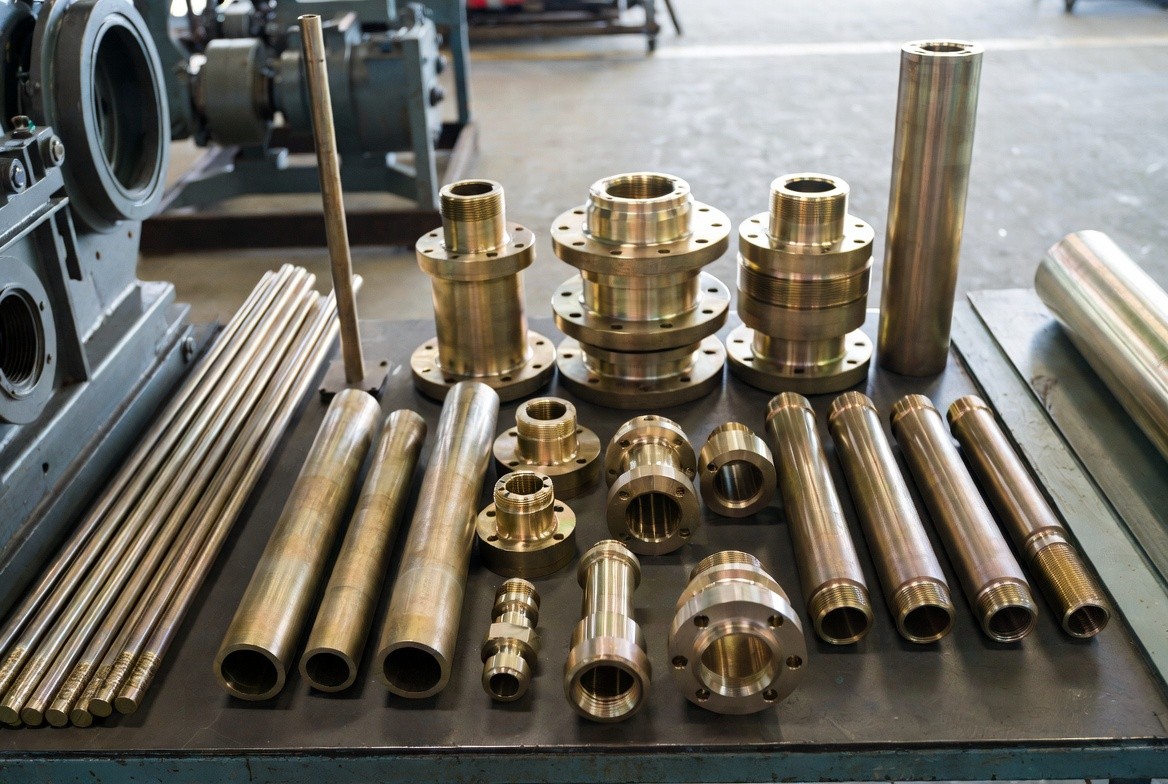
Common C63000 Aluminum Bronze Products We Deliver
We keep a good range in stock and can quickly produce custom work:
For complex or high-precision components, we also offer full CNC machining services. Many customers send us drawings for valve stems, impellers, or custom fittings, and we deliver finished, tested parts ready for installation. This one-stop approach saves them time and reduces the risk of supply chain issues.
You can also visit our CYMBER Zhejiang Large-Scale Copper & Aluminum Integrated Warehouse to see current stock levels in real time.
Final Thoughts
In high-pressure seawater environments, C63000 aluminum bronze often gives engineers more confidence than cupronickel because it combines higher strength, better erosion resistance, and excellent long-term durability. It’s not always the cheapest option, but when reliability and service life matter most, it frequently turns out to be the most cost-effective choice.
If you have a marine, offshore, or high-pressure project and you’re not sure whether C63000 or cupronickel is the better fit, send me the drawing. I’ll give you straight, practical advice based on what we’ve seen work (and what hasn’t) in the real world.
Ready to discuss? Download our latest aluminum bronze technical guide or reach out anytime.
Download 2026 Aluminum Bronze Technical Guide (PDF)
Contact Us for Marine Alloy Recommendation Support
Post time: Apr-03-2026