
I’ve quoted and machined custom forged aluminum parts for enough projects to know they shine when you can’t afford weakness or extra weight. Grades like 6061-T6, 7075-T73, or 5083 forged refine the grain through controlled deformation, delivering higher strength, better fatigue resistance, and tighter properties than extruded or cast stock. They’re not the cheapest route – dies and presses add cost – but for safety-critical or performance-driven components, that forged integrity often prevents failures that cheaper alternatives might invite.
Here’s my practical breakdown on the forms we produce most, the industries that keep coming back, how forged aluminum compares to common substitutes, and the real impact these parts have on global manufacturing and efficiency.
Custom forged aluminum components – rods, bars, tubes, and machined parts ready for high-demand service.
Common Forms and What They Deliver
Forging starts with billets and ends with near-net shapes that minimize waste:
- Bars/Rods → Solid rounds or stepped sections for shafts, links, or preforms – directional grain maximizes tensile and fatigue strength along the axis.
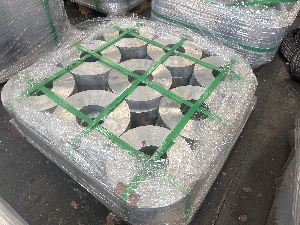
- Square/Rectangular Bars → Flats or blocks for brackets, bases, or fittings – balanced properties with flat faces for easy bolting or machining.
- Tubes/Rings → Hollow or rolled sections for cylinders, housings, or pressure parts – lightweight stiffness in hoop and axial directions.
- Custom/Shaped Forgings → Die-specific pieces like flanges, pistons, or structural nodes – tailored flow lines for complex stress patterns.
We supply these in various tempers, like our forged aluminum bars, squares, and tubes – often ultrasonically checked and ready for final CNC detailing.
Industries That Rely on Forged Aluminum
It’s specified where weight savings and reliability pay off big:
- Aerospace (wing fittings, bulkheads, landing gear)
- Automotive/EV (suspension arms, battery frames)
- Defense (structural components, lightweight armor)
- Renewable energy (wind turbine hubs, solar trackers)
- Rail & transportation (bogie frames, coupling parts)
Places where every kilogram cut improves efficiency or payload.
How Forged Aluminum Compares to Alternatives
Against cast aluminum → Forging eliminates porosity and gives 20-40% higher strength/fatigue life – cast parts can fail prematurely in cyclic loading.
Versus steel forgings → Aluminum is 1/3 the weight with good corrosion resistance – steel wins on ultimate strength but adds mass and rust risk.
Titanium forgings → Similar strength-to-weight but aluminum costs far less and machines easier – titanium for extreme temps or biocompatibility.
Copper alloys (like aluminum bronze) → Great corrosion/wear but much denser and pricier – aluminum for lightweight structural over conductive needs.
Forged aluminum’s edge: refined microstructure for superior toughness in thick sections, excellent fatigue resistance, and recyclability – at practical cost for volume.
Downside is higher upfront die expense and less heat resistance than some exotics.
For critical lightweight structures under dynamic loads, forged aluminum often provides the best balance of performance and economics.
The Broader Impact on Global Industries
These parts enable real progress:
- Drive lightweighting in transportation – cutting fuel/emissions in aviation, rail, and EVs
- Support renewable growth with reliable, light components for wind/solar installations
- Enhance defense and aerospace mobility without sacrificing safety
- Promote sustainable manufacturing through high recyclability and longer part life
They’re key players in making modern infrastructure lighter, greener, and more efficient.
If you’re pushing limits on strength vs weight, check our custom forged aluminum range or send your drawing – we’ve helped lighten plenty of designs that needed to stay tough.
Forged aluminum takes investment, but when the application demands it, the results speak for themselves.
Post time: Jan-22-2026