
Published: March 7, 2026
By: Steven Zhou, Bronze Technical Expert at Cymber Metal
Hey everyone, Steven Zhou here — back at the keyboard after a little break.
I’ve been hands-on with bronze for over a decade now at Cymber Metal, and I still get a kick out of it. There’s something special about this “old-school” alloy family that keeps winning jobs in 2026. Whether it’s a marine pump impeller that has to survive saltwater for decades or a high-wear bushing in heavy machinery, bronze just keeps delivering where other materials quit.
We run a lot of bronze through our forge, extrusion lines, and CNC shop every month, and customers keep coming back because it gives them that perfect mix of strength, corrosion resistance, and machinability without breaking the bank. Today I’ll walk you through the main bronze types we work with, where they really shine, the practical tricks I’ve learned the hard way, and the products we actually ship every week.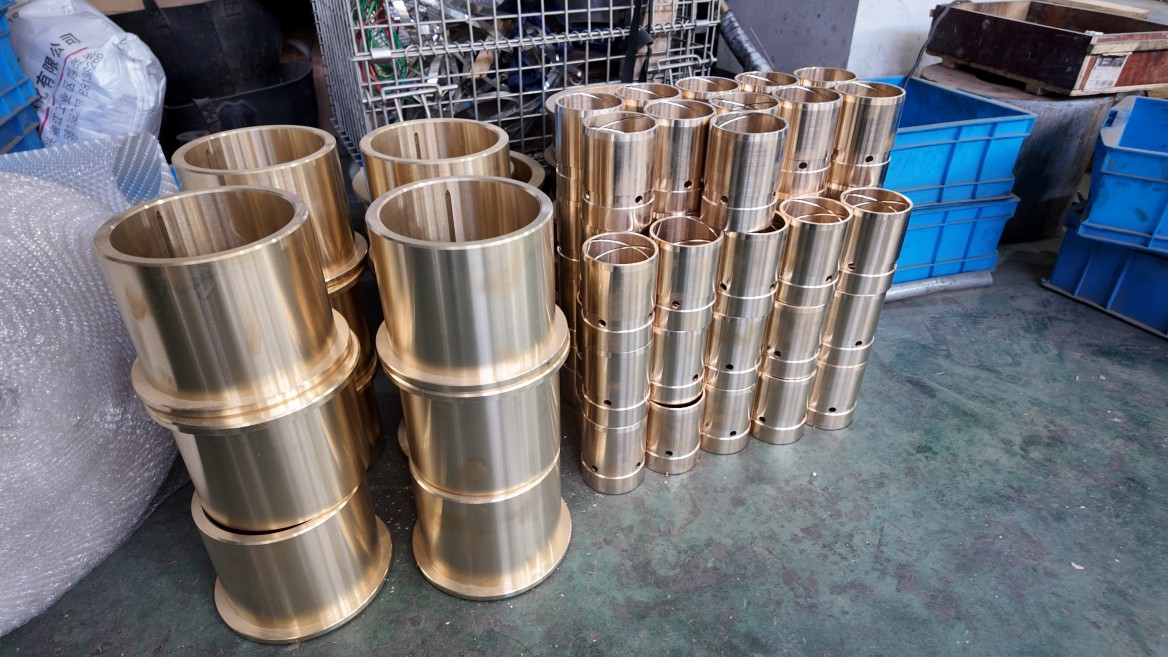
The Main Bronze Families We Run Every Day
Here’s the quick rundown of the bronze alloys we stock and machine most often:
| Bronze Type | Key Alloying Elements | Stand-Out Properties | Typical Uses We See Most |
|---|---|---|---|
| Tin Bronze | Tin + Copper | Excellent wear resistance, good strength | Bearings, bushings, gears, marine fittings |
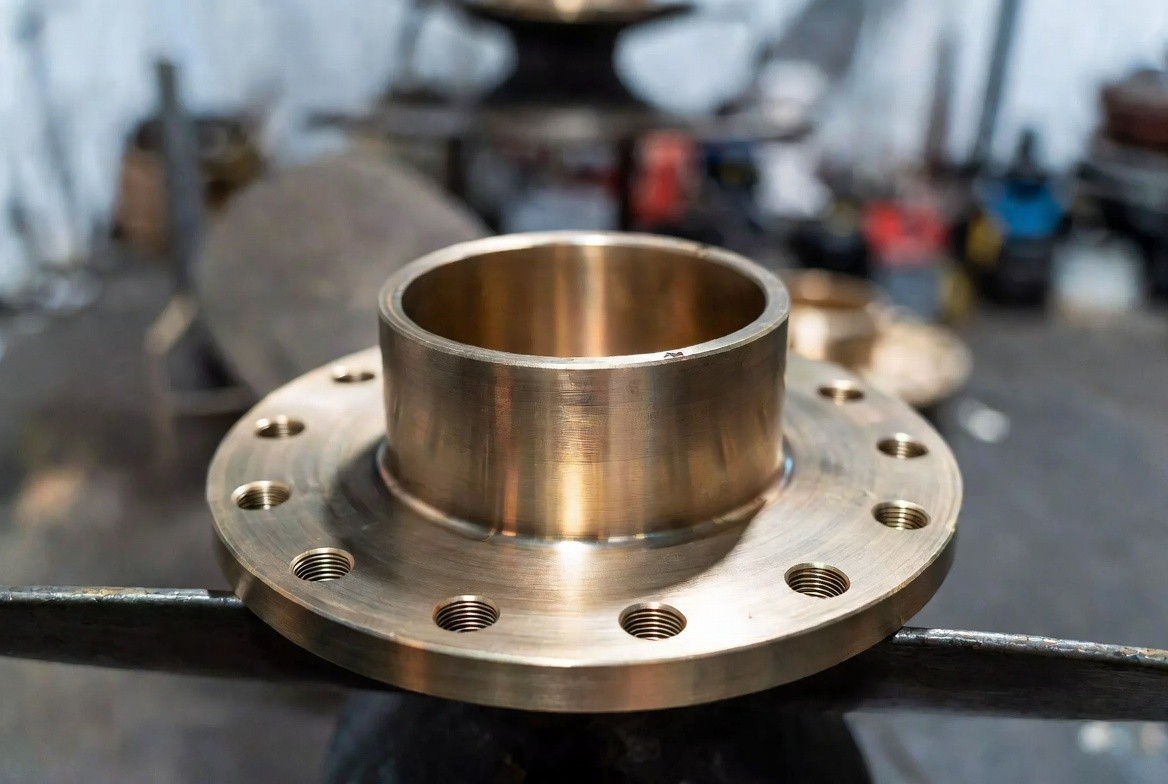
| Aluminum Bronze | Aluminum + Copper | Superior corrosion resistance, high strength | Marine propellers, valve stems, pump parts |
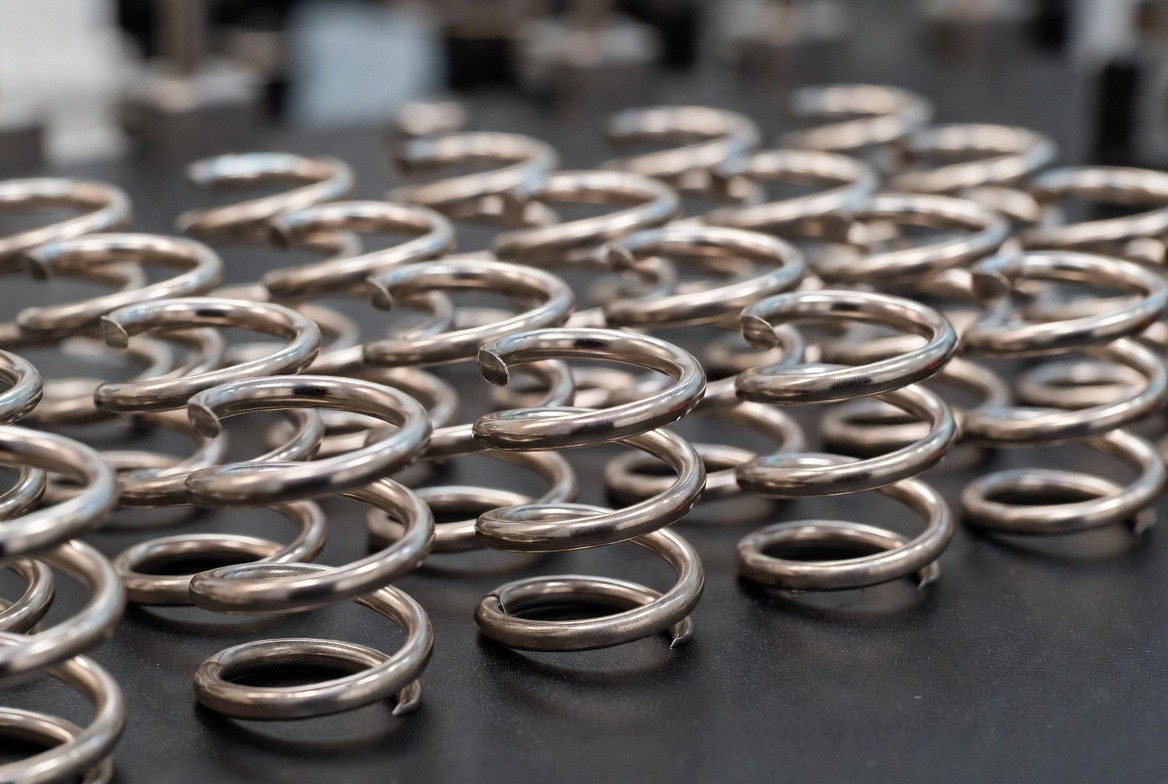
| Phosphor Bronze | Tin + Phosphorus | Best spring properties, fatigue resistance | Electrical contacts, springs, connectors |
| Silicon Bronze | Silicon + Copper | Great weldability, attractive finish | Architectural hardware, marine fasteners |
My honest take from the floor: Tin bronze and aluminum bronze are the two that pay the bills here. Tin bronze for anything that slides or rotates under load, aluminum bronze when the part lives in seawater or corrosive chemicals.
Where Bronze Is Still the Smart Choice in 2026
I see bronze winning projects in these areas almost every week:
- Marine & Offshore – propellers, valve bodies, pump impellers
- Heavy Industry – wear plates, bushings, gear blanks
- Electrical & Electronics – spring contacts, connectors, switch components
- Architectural & Decorative – door hardware, handrails, custom fixtures
- Oil & Gas – valve stems and seats that see high pressure and chemicals
One thing I’ve noticed lately: more EV and renewable energy customers are discovering bronze for high-wear sliding contacts where stainless steel would gall or aluminum would wear too fast.
Machining Bronze: What Actually Works in the Shop
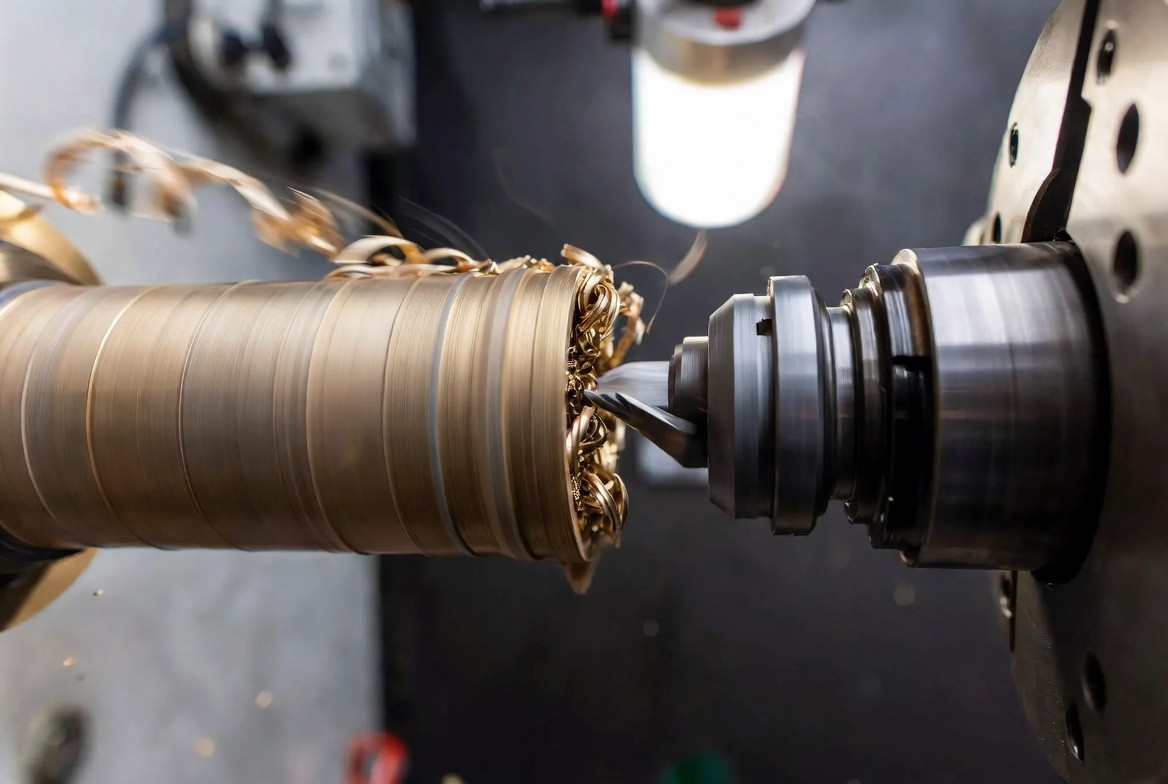
Bronze machines beautifully, but it has its own personality:
- Tin bronze can be a little gummy if you run too fast
- Aluminum bronze is tougher — needs rigid setups and sharp tools
- Phosphor bronze loves high speeds but hates vibration
Shop Story: Last month we had a rush job for aluminum bronze valve stems. The first batch came out with chatter marks because we used the same feeds as for brass. I slowed the spindle, added high-pressure coolant, and switched to coated carbide — surface finish went from Ra 1.6 µm to 0.4 µm and the customer called to say “best parts we’ve ever received.” Small changes, big difference.
Common Bronze Products We Deliver
We keep a wide range in stock and can turn around custom orders quickly:
- Rods and bars
- Tubes and pipes
- Plates and sheets
- Custom extruded profiles
- Precision CNC machined finished parts
If you want to see the full selection, head over to our Bronze Product Details Page or check the detailed CNC machining details page to understand exactly how we turn raw bronze into ready-to-install components.
You’re also welcome to swing by our CYMBER Zhejiang Large-Scale Copper & Aluminum Integrated Warehouse or CYMBER Jiangsu Copper & Aluminum Integrated Warehouse — we always keep plenty of bronze on the shelves.
Final Thoughts
Bronze isn’t flashy, but it’s honest material that just works — year after year, in the toughest environments. When you need something that combines strength, wear resistance, and corrosion protection without the premium price of exotic alloys, bronze is usually the answer.
If you’ve got a bronze project on the drawing board — whether it’s a simple bushing or a complex CNC-machined assembly — drop me a line. I’m happy to review your drawing and give you straight talk on the best alloy and process.
Ready to get moving? Download our latest bronze catalog or reach out anytime.
Download 2026 Bronze Alloys Catalog(PDF)
Contact Us for Bronze Project Support
Post time: Mar-07-2026