
Published: January 27, 2026
By: JunLiang Zhou, Senior Metals Analyst
Aluminum bronze is a standout high-performance copper alloy, blending impressive strength with exceptional corrosion resistance—perfect for tough marine, offshore, and industrial environments. It delivers steel-like durability while outperforming stainless in seawater pitting and erosion resistance. In 2026, with offshore wind farms expanding and naval projects ramping up, shops are machining more aluminum bronze for propellers, bushings, valves, and pump parts.
This guide covers aluminum bronze machining in detail: key grades, processes, advantages/challenges, design tips, tooling recommendations, and real-world examples to help you create durable, long-lasting components.
Common Aluminum Bronze Grades for CNC Machining
Grades differ by aluminum content (typically 5–12%) to balance strength and corrosion needs:
- C95400 (9% Al) — Most popular; great strength and wear resistance. Suited for bushings and gears.
- C95500 (11% Al) — Higher strength and hardness; perfect for heavy-load bearings and valve stems.
- C95800 (Nickel Aluminum Bronze) — Top seawater corrosion resistance; standard for marine propellers.
- C95200/C95300 — Excellent castability and machinability for bigger parts.
Quick Tip: Start with C95400 for everyday balance. Choose C95800 for saltwater—it’s worth the extra cost.
Suitable Machining Processes for Aluminum Bronze
It machines well but needs stronger setups than brass:
- CNC Milling → Great for impellers, flanges, and complex shapes.
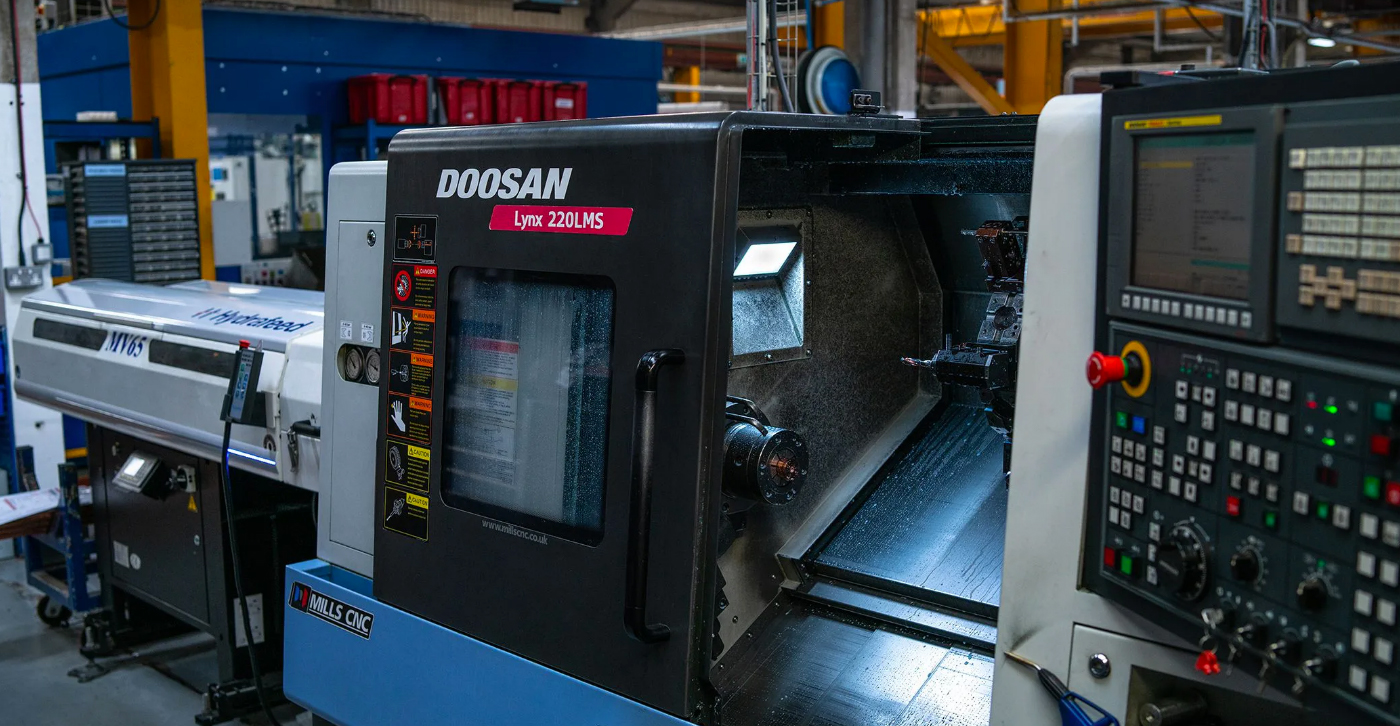
- CNC Turning → Best for shafts, bushings, and rounds.
- Drilling & Boring → Carbide tools for deep holes.
- Grinding → Key for tight tolerances and finish.
- EDM → Handy for detailed features in hardened stock.
Advantages of Machining Aluminum Bronze
- Superior corrosion resistance — Thrives in seawater and chemicals.
- High strength & wear resistance — Matches some steels (up to 800 MPa tensile when heat-treated).
- Strong fatigue and impact resistance — Handles dynamic loads well.
- Non-sparking — Safe in explosive areas.
- Good thermal conductivity — Efficient heat dissipation in bearings.
-
Challenges & Practical Solutions
It’s tougher than brass—here’s how to handle it:
- Higher cutting forces → Rigid machines and slower speeds.
- Tool abrasion → Coated carbide or PCD inserts.
- Work hardening → Steady feeds; no dwelling.
- Chip issues → Stringy chips—high-pressure coolant breaks them.
Pro Tip: Lightly preheat big pieces to avoid cracking on heavy cuts.
-
Design Considerations & Tips
- Tolerances: ±0.02 mm typical; grinding for tighter.
- Wall Thickness: At least 2-3 mm for stability in large parts.
- Radii & Fillets: 1-2 mm to ease stress.
- Surface Finish: Ra 0.8-1.6 µm usual; polish for better corrosion protection.
- Heat Treatment: Post-machining treat some grades (like C95500) for peak hardness.
Tooling & Parameter Recommendations
- Tool Material: Coated carbide standard; PCD for production runs.
- Example Parameters (C95400, 12 mm end mill):
- Spindle: 4,000-8,000 RPM
- Feed: 800-1,500 mm/min
- Depth: 1-4 mm axial
- Coolant: High-pressure flood must-have—stops edge build-up.
-
Real-World Applications
- Marine propellers and rudders
- Offshore pump impellers and valves
- Heavy-duty bushings and worm gears
- Aerospace landing gear
- Chemical processing gear
Cost & Sustainability Factors in 2026
Priced higher (~$10-14/kg) than brass, but lifecycle savings shine in tough conditions. Excellent recyclability and rising secondary supply keep costs down.
Final Thoughts
Aluminum bronze machining produces parts that excel in failure-prone spots—corrosive, high-stress zones. Right tools and settings yield reliable, decades-long performance.
Ready to tackle your aluminum bronze project? Download our latest catalog for grades, stock, and details, or contact our team for custom quotes and support.
Post time: Jan-27-2026