
In 2026, the marine industry is navigating some rough waters—literally and figuratively. Stricter emissions regulations, rising fuel costs, and the push for lighter, more durable vessels are driving a renewed focus on advanced materials. At the center of this shift is 5083 aluminum alloy, the undisputed king of marine-grade aluminum. With global aluminum demand in maritime applications projected to grow 6–8% this year (fueled by offshore wind expansion and yacht building), 5083 continues to hold a commanding share thanks to its unbeatable seawater corrosion resistance and weldability.
Primary aluminum prices are hovering around $2,700–$2,900 per ton, but marine-grade premiums for 5083 plate and sheet remain firm as mills prioritize high-quality, certified stock. Recycled content in 5xxx series alloys is now averaging 35–45% in European and North American supply chains, helping shipyards meet IMO decarbonization targets without compromising performance.
This piece dives deep into why 5083 remains the go-to choice for marine engineers, covering its properties, key applications, advantages, limitations, and how it stacks up against alternatives.
Core Properties of 5083 Aluminum Alloy
5083 belongs to the 5xxx series (Al-Mg alloys), with typical composition: 4.0–4.9% magnesium, 0.4–1.0% manganese, and low impurities. It’s non-heat-treatable but strengthened through strain hardening.
Key Tempers and Mechanical Properties (H116/H321 most common for marine):
- Tensile Strength: 305–385 MPa
- Yield Strength: 215–305 MPa
- Elongation: 10–16%
- Density: 2.66 g/cm³ (about one-third of steel)
- Corrosion Resistance: Exceptional in seawater (pits minimally even after decades)
- Weldability: Outstanding with 5183 or 5356 filler
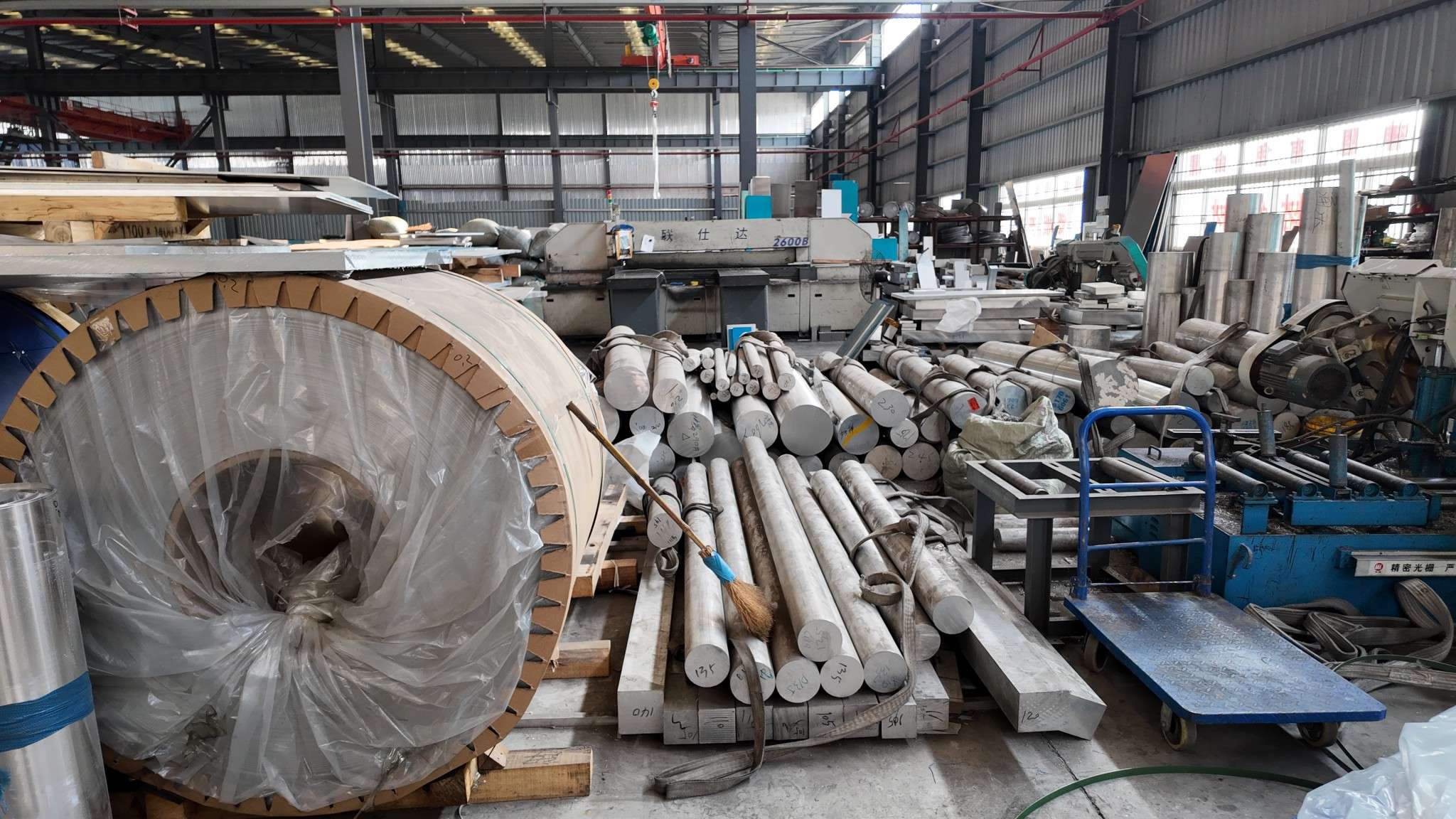
Typical Forms: Thick plate (up to 300 mm), sheet, extrusions, pipe, and forgings—often supplied with mill certification (DNV, ABS, Lloyd’s Register).
Primary Marine Applications for 5083
5083′s combination of strength, corrosion resistance, and weldability makes it ideal for environments where saltwater exposure is constant.
Major Uses:
- Ship Hulls and Superstructures: Dominant in high-speed ferries, patrol boats, crew transfer vessels, and aluminum catamarans. Builders like Austal and Incat rely on it for weight savings that boost speed and fuel efficiency.
- Offshore Platforms and Wind Farm Support: Service operation vessels (SOVs), jack-up legs, and transition pieces—where low maintenance over 30+ year lifespans is critical.
- Yacht and Pleasure Craft: Luxury yacht hulls and decks for corrosion-free aesthetics and reduced weight.
- Marine Tanks and Cryogenics: LNG carriers and chemical tankers (excellent low-temperature toughness down to -196°C).
- Coastal Infrastructure: Gangways, pilings, and floating docks.
In the booming offshore wind sector, 5083 is seeing explosive growth—European projects alone are specifying thousands of tons for next-gen crew boats.
Advantages That Keep 5083 Ahead
Standout Benefits:
- Unmatched seawater corrosion resistance—far superior to 6xxx series without special treatments.
- Excellent weldability—large structures can be fully welded without post-weld heat treatment, unlike 7xxx alloys.
- Good fatigue strength and impact resistance—critical for wave slamming.
- Significant weight reduction (30–40% vs. steel)—translates to higher payloads, lower fuel use, and reduced emissions.
- Low maintenance—no painting required in many cases; natural oxide layer protects indefinitely.
- Fully recyclable with high scrap value.
Limitations and Trade-offs
No material is perfect, and 5083 has its constraints:
Key Drawbacks:
- Lower strength than heat-treatable 6xxx or 7xxx alloys—requires thicker sections for equivalent load-bearing.
- Work-hardens quickly—over-forming can lead to cracking if not managed.
- Sensitive to sustained temperatures above 65–100°C (magnesium loss reduces corrosion resistance).
- Higher initial cost than mild steel (though lifecycle savings often offset this).
How 5083 Compares to Alternatives
Vs. 5086: Very similar (slightly higher magnesium in 5083 for better strength). 5086 is sometimes chosen for thinner gauges or cost reasons, but 5083 wins for heavy-plate structural work.
Vs. 6061-T6: 6061 offers higher strength and is more extrudable, but its corrosion resistance in seawater is markedly inferior without heavy anodizing or cladding—making 5083 the clear marine winner.
Vs. Steel: Aluminum 5083 structures are 50–60% lighter, corrode far less, and require minimal maintenance. Steel is cheaper upfront and stronger, but rust protection costs add up over time.
Vs. Composites: Carbon fiber is lighter and stiffer but exponentially more expensive and harder to repair. 5083 strikes the best balance for most commercial vessels.
2026 Outlook: Strong Tailwinds for 5083
With offshore renewables exploding (especially in the North Sea and U.S. East Coast) and naval modernization programs ramping up, 5083 demand looks robust. New recycling technologies are boosting secondary supply, while advanced welding techniques (friction stir) are enabling even larger monolithic structures.
Shipyards adopting 5083 are reporting 15–25% fuel savings and extended service intervals—real advantages in a high-cost operating environment.
If you’re sourcing for a project, check out our full aluminum materials catalog or drop us a line – we’ve got stock in all these forms and can help with customs too.
(Properties and applications based on ASTM B209, industry standards, and shipyard feedback. Always consult classification societies for specific approvals.)
Post time: Jan-25-2026