
Chromium zirconium copper (CuCrZr) is having a moment in 2026. While the broader copper market grapples with supply tightness and electrification-driven demand, this specialized high-performance alloy is quietly carving out a premium niche. Known for combining excellent electrical conductivity with superior strength and heat resistance, CuCrZr is increasingly the material of choice for applications where standard copper or even beryllium copper falls short.
Global demand for high-conductivity alloys is growing fast, fueled by electric vehicle production, advanced welding equipment, and high-speed rail expansion. Analysts estimate the CuCrZr segment could see 8–12% compound growth through 2030, outpacing many traditional copper grades. With prices holding steady in the $15–$18 per kg range for finished products, sourcing reliable supply has become a priority for many OEMs.
This article breaks down the key grades, applications, advantages, and why CuCrZr is winning more specification sheets in demanding sectors.
Main Chromium Zirconium Copper Grades and Characteristics
CuCrZr alloys typically contain 0.5–1.5% chromium and 0.05–0.25% zirconium, with the balance high-purity copper. The small additions create precipitation hardening that dramatically improves mechanical properties without severely impacting conductivity.
Most common designations:
- C18150 (Class 2): The standard workhorse—80–85% IACS conductivity, tensile strength up to 550 MPa after aging, and softening temperature above 500°C.
- C18200 (Class 1): Slightly higher chromium for even better strength and wear resistance.
- European CW106C / CuCr1Zr: Equivalent grade widely used in EU and Asian supply chains.
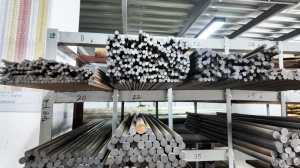
These alloys are supplied as rod, bar, plate, or wire, often in solution-annealed and aged conditions for optimal performance.
Why CuCrZr Is Thriving in 2026
CuCrZr bridges the gap between pure copper’s conductivity and the mechanical demands of modern engineering. Its unique combination of properties makes it ideal for components that face high heat, mechanical stress, and repeated cycles.
Key growth drivers this year:
- Resistance Welding Electrodes: Automotive body-in-white lines (especially for EV battery packs and aluminum bodies) rely on CuCrZr tips for longer life and consistent welds.
- Electric Vehicles: Rotor bars in high-performance traction motors, connectors in 800V architectures, and battery cooling plates.
- Aerospace & Defense: Heat sinks, thrust chamber liners, and high-strength electrical components.
- High-Speed Rail & Power Generation: Contact wires, commutators, and turbine generator parts that need durability at elevated temperatures.
Sustainability is another tailwind—CuCrZr is fully recyclable and avoids the toxicity concerns of beryllium copper, aligning with stricter REACH and RoHS regulations in Europe and North America.
CuCrZr vs. Alternatives: Performance Edge with Lower Risk
Engineers often compare CuCrZr to pure copper, beryllium copper (CuBe), and other high-strength alloys.
Advantages Over Pure Copper/ETP:
- Significantly higher strength and hardness (3–4× tensile strength after heat treatment).
- Excellent resistance to softening at 400–550°C—pure copper loses strength rapidly above 200°C.
- Better wear and deformation resistance in high-cycle applications.
Advantages Over Beryllium Copper:
- Comparable or better conductivity (CuCrZr ~80–90% IACS vs. CuBe ~20–60% in high-strength grades).
- No beryllium health hazards—safer for manufacturing and end-of-life handling.
- Lower raw material cost and more stable supply chain.
Trade-offs:
- Slightly lower conductivity than pure copper or oxygen-free grades.
- Requires precise heat treatment (solution annealing + aging) for peak properties.
- Premium pricing compared to brass or aluminum bronze.
In most welding and motor applications, the extended service life and reduced downtime easily justify the higher initial cost.
2026 Outlook: Strong Growth Amid Specialized Demand
With EV gigafactories ramping up worldwide and welding automation surging, CuCrZr consumption is set for solid gains. Supply remains concentrated among a handful of specialist producers in China, Europe, and the US, so lead times can stretch—smart buyers are qualifying multiple sources and exploring long-term agreements.
The trend toward higher-voltage EV platforms and lighter aluminum vehicle structures will only accelerate adoption. If you’re specifying materials for next-gen welding tips or motor components, CuCrZr deserves a serious look.
For practical examples, see CuCrZr in Resistance Welding Electrodes or Chromium Zirconium Copper in EV Traction Motors.
(Insights drawn from industry reports and technical data; actual performance depends on specific grade and processing.)
Post time: Jan-23-2026